Johann Wadephul in Baku then Yerevan: Berlin backs peace and warns Moscow
- Published
- Place
- Baku, Azerbaijan
- Event date
- Past event —
Summary
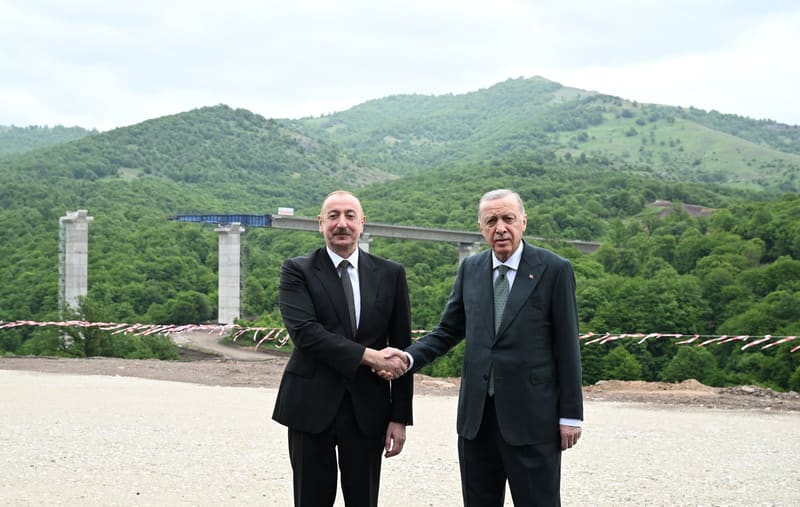
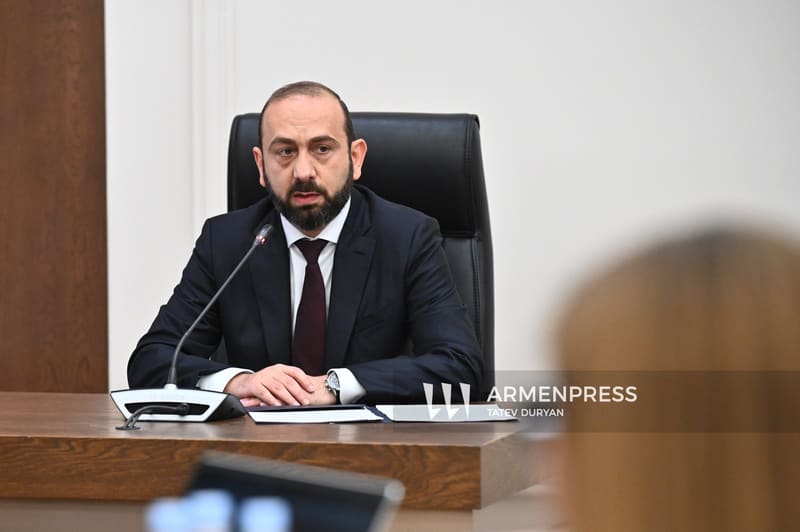
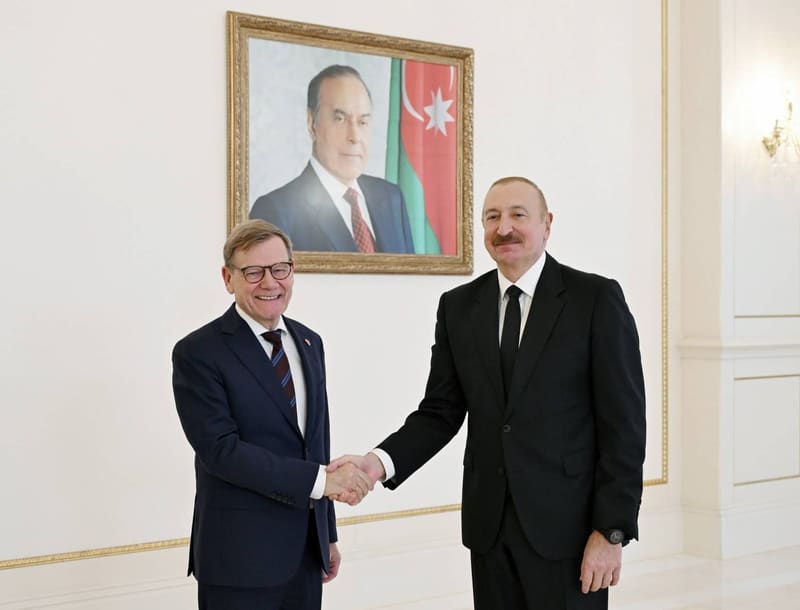
German Foreign Minister Johann Wadephul is making his first tour of the South Caucasus: Baku on Tuesday 17 November, Yerevan on Wednesday 18. His message: the region has a “historic opportunity” for peace between Armenia and Azerbaijan, and it must be seized. Before leaving, he also took aim at Russia. In his view, Moscow is trying to keep its influence in the region “at the expense of people and their future”. Its neighbours moving closer to Europe, he said, “must not be decided in Moscow”. In Baku he was received by President Ilham Aliyev. In Yerevan he is due to meet Prime Minister Nikol Pashinyan and his counterpart Ararat Mirzoyan, with a joint press conference. Berlin presents itself as a “reliable partner and friend” to both countries.
It is a first for Johann Wadephul. Germany’s top diplomat had never been to Baku or Yerevan as minister. He chose this order: Azerbaijan first, Armenia the next day.
The timing matters. The peace treaty between the two countries was initialled in August 2025 in Washington, with mediation by US President Donald Trump. It has still not been signed.
“The South Caucasus is at a turning point”
In a statement issued by his ministry before departure, Johann Wadephul speaks of a “turning point”. The region, he says, has the chance “to finally overcome decades of war, violence and displacement”. “What long seemed barely imaginable is now within reach,” he adds.
He praises “the courage and responsibility” of President Aliyev and Prime Minister Pashinyan. Initialling the treaty was, he says, “a milestone”. Now it is about moving forward with determination. People on both sides of the border must feel that courage pays off: more security, open routes, economic hope.
The minister did not spare Moscow. He cites the war in Ukraine and “increasingly open threats” from Russia. In his view, Vladimir Putin does not want a European order of sovereign states. “It is time to listen to the voice” of Armenia and Azerbaijan, he concludes.
Baku: gas, transport and the Middle Corridor
On Tuesday, Ilham Aliyev received the German delegation. According to the Azerbaijani presidency, the two sides discussed energy, transport, logistics, investment and tourism. They recalled that Azerbaijani gas exports to Germany began this year and stressed Azerbaijan’s role in the Middle Corridor, the trade route between China and Europe.
The programme also includes talks with Foreign Minister Jeyhun Bayramov, a meeting with religious leaders at Baku’s Ashkenazi synagogue and a wreath-laying in memory of fallen soldiers and civilian victims.
Yerevan: Europe and normalisation on the agenda
On Wednesday, Ararat Mirzoyan will host his counterpart, Armenian foreign ministry spokesperson Ani Badalyan announced. A joint press conference is planned. According to Berlin, the talks will cover Armenia’s rapprochement with the European Union and normalisation with Azerbaijan and Türkiye.
The two countries signed a “strategic agenda” in December 2025, when Nikol Pashinyan visited Chancellor Friedrich Merz in Berlin. Germany and Armenia will mark 35 years of diplomatic relations in 2027. The Goethe-Institut in Yerevan has just moved into a new building.
Analysis
The tour follows a simple method: visit both capitals, one after the other, with the same message. Berlin has signed a strategic agenda with each, in December 2025 with Yerevan and in July 2026 with Baku. On the Azerbaijani side, Germany’s interest is first of all energy: gas now reaches Germany. On the Armenian side, the issue is anchoring in Europe. The sharpest passage concerns Russia. By saying that its neighbours’ future is not decided in Moscow, Johann Wadephul aligns with Brussels, on the eve of arriving in a country that is still a member of the CSTO and the Eurasian Economic Union.
Possible consequences
Wednesday’s Mirzoyan–Wadephul press conference in Yerevan will show whether concrete projects accompany the words. Signing the peace treaty remains tied to the question of Armenia’s Constitution, which Baku sets as a condition.