Paris: Inalco gathers Armenian linguists on 18–20 November in tribute to Hratchia Adjarian
- Published
- Place
- Paris, France
- Event date
- Upcoming event —
Summary
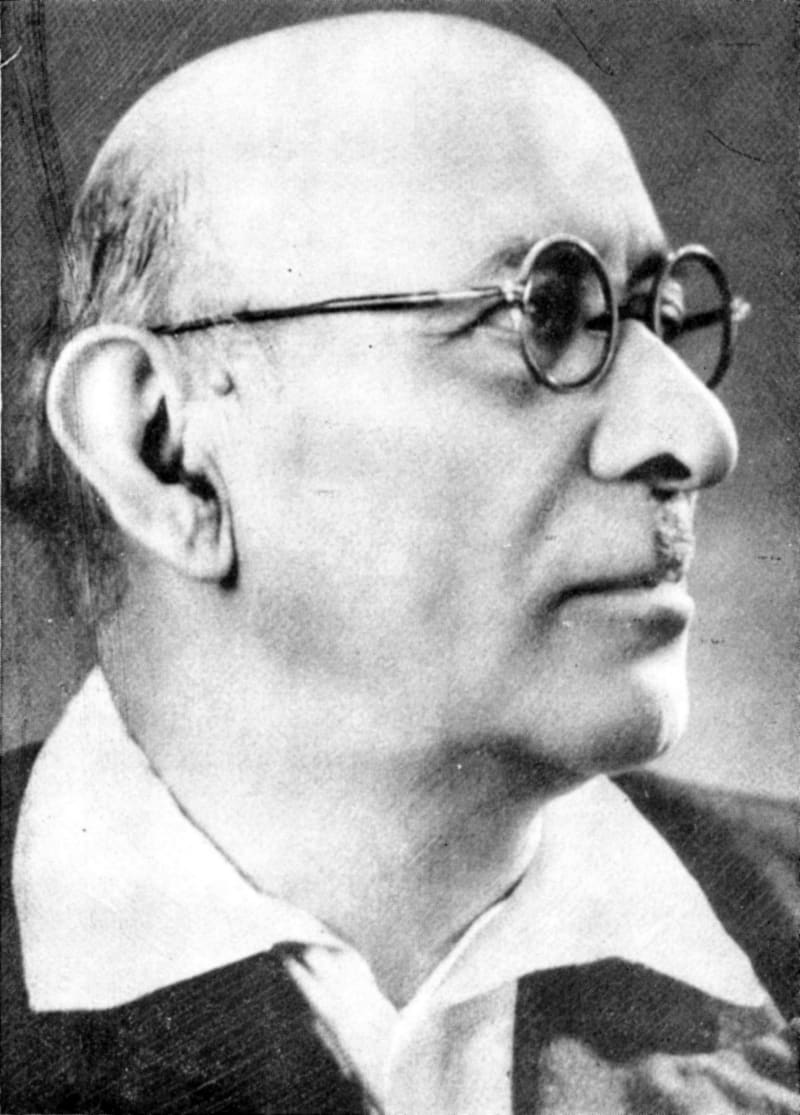
France’s National Institute for Oriental Languages and Civilisations (Inalco) is hosting the 13th International Conference on Armenian Linguistics (ICAL13) in Paris from Wednesday 18 to Friday 20 November. This edition is dedicated to the 150th anniversary of the birth of Hratchia Adjarian, born in 1876 in Constantinople, a doctor of the École pratique des hautes études and the namesake of the Institute of Linguistics of Armenia’s Academy of Sciences. The programme features two keynote lectures, dozens of papers on Classical, Middle and Modern Armenian, its dialects and its teaching, and a session on digital Armenian. The conference will end at the Armenian embassy in France with a tribute to the scholar. Registration is compulsory.
The event is rare and specialised, but it says a lot about the vitality of Armenian studies. Researchers from Yerevan, Paris, Cambridge, Würzburg, Milan, Naples, Lausanne, Los Angeles and Moscow will present new, recent or ongoing work.
The opening will take place on Wednesday 18 November at 5 pm at Inalco’s Maison de la recherche on rue de Lille, in the 7th arrondissement. Charles de Lamberterie, a member of the Académie des inscriptions et belles-lettres, will give the first keynote: “Comparative grammar of Armenian: from Meillet to the present day”.
From the dialects of Gavar to the San Francisco Bay Area
On Thursday 19 and Friday 20 November, sessions will be held at the Pôle des langues et civilisations on rue des Grands Moulins, in the 13th. The topics give an idea of the breadth of the field: the imperfective in Middle Armenian texts, New Julfa Armenian in 1907, evidentiality in Istanbul Armenian, the vowels of the Gavar dialect, or the persistence of a Constantinople pronunciation among Armenians in the San Francisco Bay Area.
On Friday morning, independent researcher Hrach Martirosyan will devote the second keynote to Adjarian’s legacy: its achievements, its reassessments and the perspectives it opens. In the afternoon, two parallel sessions will cover lexicon and onomastics, then teaching and transmission, including a proposed certification framework for Western Armenian.
Armenian in the digital age
A special “Digital Armenian” session will mark twenty years of the Eastern Armenian National Corpus. Posters and round tables will present automatic text recognition, the digitisation of Adjarian’s dictionary, dialect corpora, an oral history database of Artsakh Armenians, and the links between the Armenian language and large language models.
A tribute at the embassy
Participants will gather on Friday evening at the Armenian embassy in France, on rue Bénouville in the 16th. After a welcome address by Ambassador Arman Khachatryan, three talks will evoke Adjarian through his daughter’s memories, his Paris years and his traces in Constantinople. A round table, “Hratchia Adjarian’s legacy today”, will close the proceedings.
Analysis
The conference is a reminder that Paris remains a capital of Armenian studies, and not only for the diaspora. The choice of Adjarian is no accident: trained in Paris, born in Constantinople, he spent his life describing the language and its dialects. The programme reflects that legacy, with a visible place for Western Armenian, the diaspora language classed as endangered, and for its transmission. The digital session also shows a shift: corpora, automatic recognition tools and artificial intelligence are becoming central projects for a language with a limited number of speakers.
Possible consequences
The conference runs from 18 to 20 November in Paris; registration is compulsory. Papers may be presented in Armenian, English or French.