EU visas: Armenia aims to complete first phase of visa-free action plan in 2027
- Published
- Place
- Yerevan, Armenia
- Event date
- Past event —

Summary
Armenia aims to complete in 2027 the first phase of the action plan meant to let its citizens travel to the European Union without a visa. Interior Minister Arpine Sargsyan announced this on Monday, 23 November, in Yerevan, at a meeting with ambassadors of EU member states. She presented the progress made in the plan’s four main areas and the next steps. Yerevan then intends to continue full implementation of the second phase. The minister noted that the new biometric system has been running nationwide since 1 November. The head of the EU Delegation, Vassilis Maragos, praised cooperation with her ministry. The ambassadors said they were ready to support Armenia. For the government, the final goal, visa-free travel, remains set for 2029.
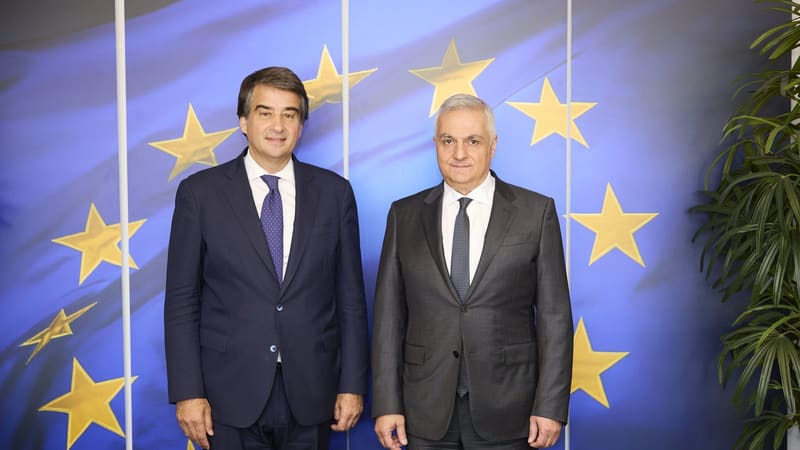
Arpine Sargsyan is not only interior minister. She is also Armenia’s chief negotiator on the issue. Before the European diplomats, she stressed Yerevan’s “political will” to implement the action plan in full.
The ambassadors asked mainly about integrated border management. The minister also discussed the constitutional amendments and the reforms under way in her ministry.
Two phases, nothing automatic
The visa liberalisation dialogue was launched in Yerevan on 9 September 2024. The action plan sets benchmarks in four blocks: document security, including biometrics; borders, migration and asylum; public order and security; external relations and fundamental rights.
The benchmarks are split into two phases. The first covers the framework: laws and plans. The second checks that they are implemented effectively and sustainably. The European Commission assesses each stage, with experts from member states on the ground. The text is explicit: there is “no automaticity”.
Biometric passports as a first building block
Since 1 November, Armenia has been issuing biometric passports and ID cards that meet European standards. This is one of the key points of the first block. EU Enlargement Commissioner Marta Kos said at the time it brought Armenians “one step closer” to visa-free travel.
On the same day, Monday, Nikol Pashinyan also received EU ambassadors and discussed visas. Security Council Secretary Armen Grigoryan raised the issue in Lithuania with Lithuanian Foreign Minister Kęstutis Budrys.
Analysis
The timetable is becoming clearer. Yerevan wants to tick off the first phase in 2027, leaving two years for the second, more demanding one before the 2029 horizon set by Nikol Pashinyan on 19 November. It is a tight bet. The second phase no longer judges texts but concrete results at borders and in public services. And the final decision rests with the 27 member states and the European Parliament. The ambassadors’ interest in border management shows where the next battle will be.
Possible consequences
The European Commission is due to assess the first-phase benchmarks in its upcoming reports. Moving on to the second phase will depend on that assessment and on agreement among member states.