EU visas: Yerevan and Brussels note progress, but no timetable
- Published
- Place
- Yerevan, Armenia
- Event date
- Past event —
Summary
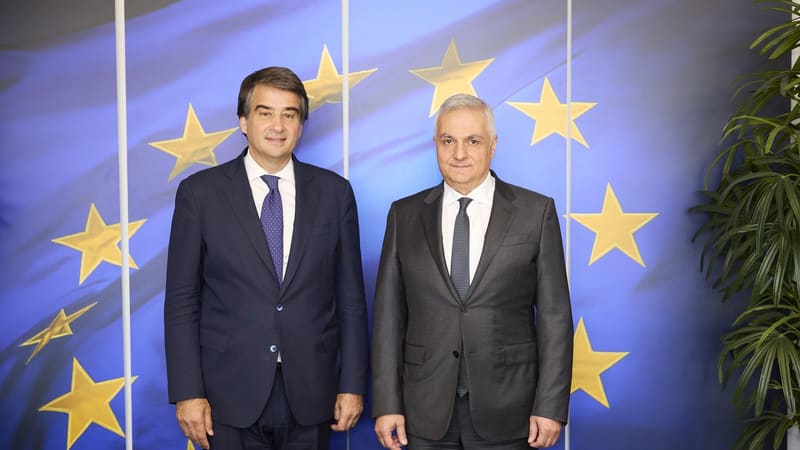
Armenian Deputy Prime Minister Mher Grigoryan received a European Commission delegation in Yerevan on 30 October, led by Johannes Luchner, Deputy Director-General for Migration and Home Affairs. Interior Minister Arpine Sargsyan and the head of the EU Delegation to Armenia, Ambassador Vassilis Maragos, attended the meeting. Both sides noted progress in implementing the Visa Liberalisation Action Plan, which is ultimately meant to allow Armenian citizens to travel to the Schengen area without a visa for short stays. Talks covered migration management, preventing irregular migration, return and readmission procedures, and integrated border management. Mr Grigoryan described the process as a key avenue for expanding ties between Armenians and EU countries.
Analysis
The official statement speaks of “progress” without setting a date or level of completion. The topics discussed, returns, readmission and border control, are among the criteria the EU assesses before any proposal to lift visas. The day before, Nikol Pashinyan linked the new biometric passports, launched on 1 November, to this file, mentioning future data exchange with France or the EU.
Possible consequences
A visa waiver would make travel easier for the diaspora, students and families between Armenia and Europe. It requires a Commission proposal followed by agreement from member states and the European Parliament, after a full assessment of the criteria.
What remains uncertain
No date has been announced. The detailed content of the European assessment has not been made public. Member states’ positions are not known.