New Constitution: the Security Council goes, the opposition would get reserved seats
- Published
- Place
- Yerevan, Armenia
- Event date
- Past event —
Summary
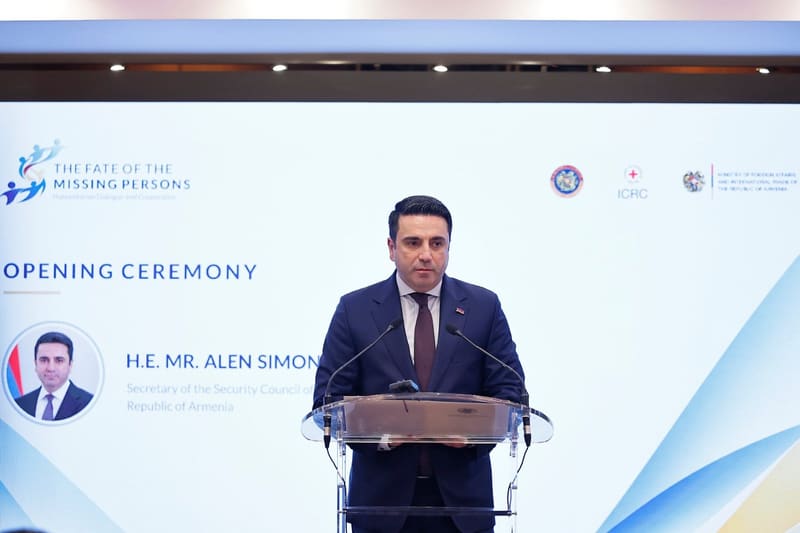
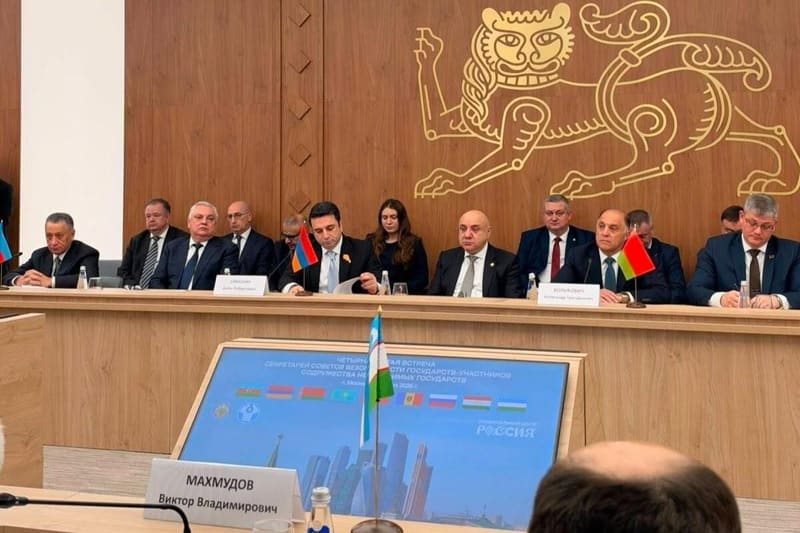
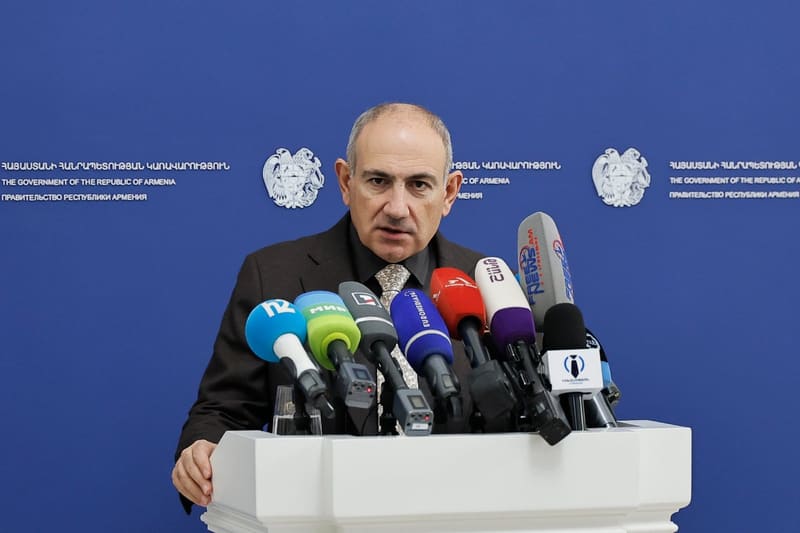
Armenia’s new Constitution would abolish the Security Council and reserve seats for the opposition in several key institutions. Nikol Pashinyan revealed both points on Thursday 19 November at his press briefing in Yerevan, after the cabinet meeting. The opposition would have a quota on the Supreme Judicial Council, the Central Bank board, the Central Electoral Commission, the Audit Chamber and the future prosecutorial council. As for the Security Council, it would have no reason to exist in a parliamentary system, according to the prime minister. Its secretary, Alen Simonyan, says a security body will keep working under another name. The preliminary draft is due to be published next week. Nikol Pashinyan calls it a “draft of a draft”, which the government has not yet discussed as a whole and which may still change.
The text is taking shape a few days before publication. Until now, the debate had focused mainly on the preamble and the reference to the 1990 Declaration of Independence. On Thursday, the prime minister lifted the veil on the institutional design.
He presented the adoption of a new Constitution as a full chapter of the 2026-2031 action plan, approved by the government that same morning. “For the first time in Armenia’s history, a draft Constitution is not being written for specific individuals,” he said.
Seats reserved for the opposition
The model already exists in parliament, where one of the deputy speakers comes from the opposition. The new text would extend it. One member of the Supreme Judicial Council, the body that manages judges’ careers, would be elected from candidates nominated by the opposition.
The same principle would apply to the board of the Central Bank, which sets the key interest rate, the Central Electoral Commission, the Audit Chamber, autonomous bodies and the prosecutorial council now being set up. How the members would be chosen is not yet known: it will be in the published text.
Why the Security Council has to go
For Nikol Pashinyan, the Security Council belongs to semi-presidential systems. There, the president is commander-in-chief, while the defence, interior and foreign ministers, appointed on the prime minister’s recommendation, report to him. “This creates a gap,” he explained. “There is no such problem in a parliamentary system: the government itself is the Security Council.”
Its secretary, Alen Simonyan, agrees. In his view, the institution exists “in 99% of cases” only in post-Soviet countries with presidential systems. “This does not mean that Armenia will not have a security body. It may simply have a different name,” he said, mentioning a chief security adviser. Asked about his own future, he did not rule out another role, a decision for the prime minister.
At the cabinet meeting, Nikol Pashinyan also repeated his offer to the opposition: if voters reject the Constitution, he resigns; if they approve it, he will not run for prime minister.
Analysis
The government is trying to make its text harder to reject. The quotas answer a long-standing opposition complaint that the majority controls independent institutions. But they come as both opposition blocs refuse to back the referendum, and without the details that will determine their real value. Scrapping the Security Council is also symbolic: it is an institution inherited from the post-Soviet model. Everything now depends on the full text, expected next week.
Possible consequences
The preliminary draft is due to be published next week, followed by a public debate. To be put to a referendum, it will need at least 70 of the 105 votes in parliament.