New constitution: tense session at the reform council, text due out in November
- Published
- Place
- Yerevan, Armenia
- Event date
- Past event —
Summary
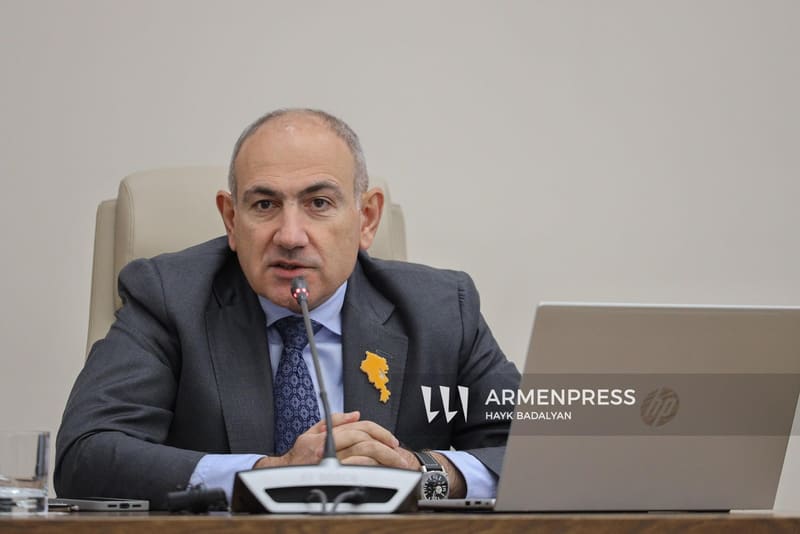
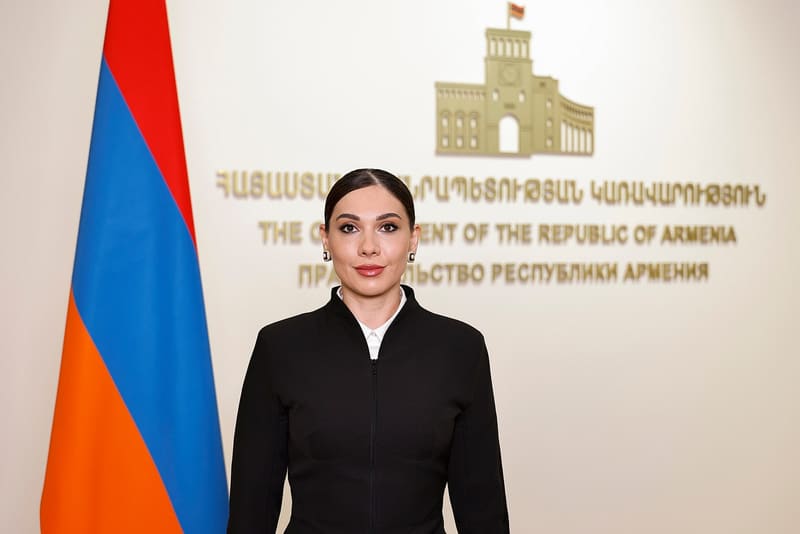
Armenia’s draft new constitution is due to be published this month, but its content still divides those reviewing it. On Friday, 13 November, in Yerevan, the Constitutional Reform Council held a stormy session chaired by Justice Minister Srbuhi Galyan. According to Azatutyun, several members, including Human Rights Defender Anahit Manasyan, called some of the changes “regressive” and objected to publishing the text without taking their remarks into account. The minister kept to the schedule: publication is planned for November, followed by a public discussion. The council also debated independent bodies, a limit on the number of terms a prime minister can serve and a ban on media that spread fake news, which was set aside. The preamble, from which the reference to the Declaration of Independence is to be removed, has not yet been discussed.
“You are forcing us to criticise in public”
The ministry has merged chapters 2 and 3 of the constitution. Anahit Manasyan objected: if the text is published in this form, her office will say publicly what it thinks, she warned. Edmon Marukyan, head of the Bright Armenia party, also spoke of a step backwards.
Karen Tumanyan, a member of the Supreme Judicial Council, was indignant. “Publish, and then we criticise?” he asked the minister. Lawyer Daniel Ioannisyan was blunter: “You are forcing us to criticise in public.” Srbuhi Galyan replied that she was not the only decision-maker and that she would pass the council’s remarks on to political leaders. The dispute lasted about an hour and a half.
Independent bodies and term limits
The council then moved on to chapter 10, on independent bodies and the Human Rights Defender. The draft lets the opposition nominate one member to each of these bodies. Karen Tumanyan is against it. For the minister, parliament remains free not to elect a candidate.
Grigor Arakelyan, of the Republic party, wanted to ban media that regularly spread fake news. Daniel Ioannisyan and human rights activist Artur Sakunts mocked the idea. The minister settled it: such a rule has no place in the constitution, and the law can deal with it.
Artur Sakunts also proposes that no one should serve as prime minister more than twice. According to Srbuhi Galyan, no such model exists in parliamentary systems. Yet Hungary has just adopted a limit of this kind, Azatutyun notes.
The preamble, the most sensitive issue
According to Edmon Marukyan, the council has not yet discussed the preamble. It is the most delicate point. The government has said the new text will no longer refer to the 1990 Declaration of Independence, which mentions reunification with Nagorno-Karabakh. Baku makes this a condition for signing the peace treaty initialled more than a year ago.
The two opposition groups in parliament refuse to vote for a text they say is written under pressure from Baku. Without at least six opposition votes, the ruling Civil Contract cannot approve the draft and put it to a referendum.
Analysis
The minister wants to keep to her timetable. Part of the council wants to be heard first. That tension points to a difficult public debate. The government needs the opposition to reach a referendum, and the opposition is mainly waiting for the preamble. Criticism from the Human Rights Defender and respected NGOs will also carry weight: it concerns freedoms, not just Karabakh. Publishing a text disputed by those who reviewed it means starting the discussion on the defensive. The question is how many remarks will be taken on board before then.
Possible consequences
The draft is due to be published by the Justice Ministry in November. Another council session may be held before then. No referendum date has been set.