Armenia–Iran: memorandum signed as gas and electricity top the intergovernmental commission’s agenda
- Published
- Place
- Yerevan
- Event date
- Past event —
Summary
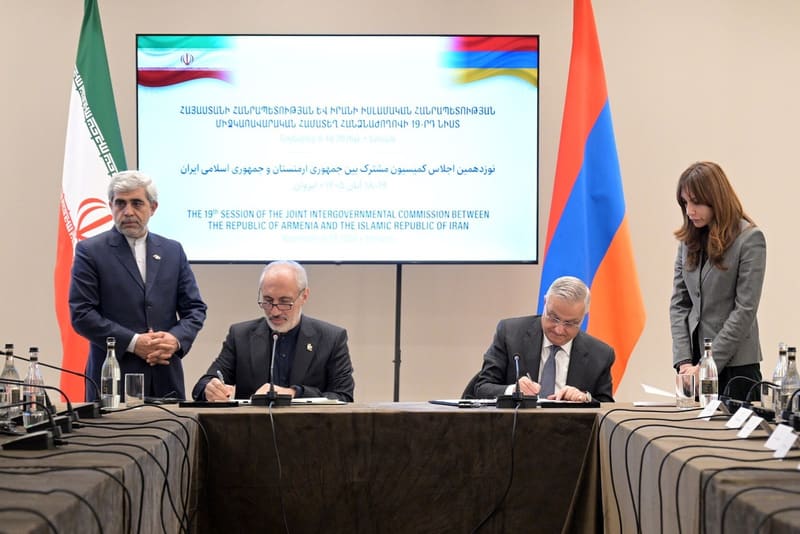
The 19th session of the Armenia–Iran intergovernmental commission ended in Yerevan on Tuesday 10 November with the signing of a memorandum of understanding. It was co-chaired by Armenian Deputy Prime Minister Mher Grigoryan and Iranian Vice President Hamid Pourmohammadi. The two delegations reviewed joint projects in energy, transport, trade, infrastructure and business ties. “There is not a single area where agreements were not reached and formally recorded,” Mher Grigoryan said, citing gas and electricity supplies. On the Iranian side, Hamid Pourmohammadi described Armenia and its prime minister as “trustworthy”, after an adviser to the Supreme Leader had sharply criticised the TRIPP route project.
Talks lasted two days, on 9 and 10 November. The exact content of the memorandum has not been made public. According to the Armenian government, both sides described the commission as an effective platform for turning political commitments into practical action.
At the previous session, in Tehran in February 2024, nineteen documents and memoranda were signed. This time a single text was announced, presented as the framework for the agreements reached.
Energy first
Speaking to reporters, Mher Grigoryan listed the topics discussed: trade and energy, specifically gas and electricity supplies, as well as the possibility of launching or expanding projects in these fields. Culture and the development of infrastructure links were also on the agenda. “The next step is to ensure the execution and practical implementation of these agreements,” he added.
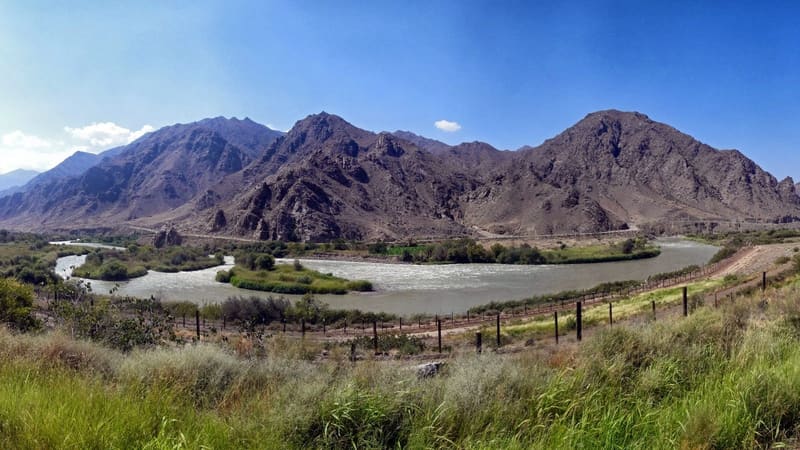
Hamid Pourmohammadi said a joint working group had discussed cooperation in the gas sector, as well as supplies of electricity, petroleum products, diesel and aviation fuel. Iran is Armenia’s only southern neighbour; their shared border runs through the Syunik region.
Regional routes, a sensitive subject
In his remarks, the Armenian deputy prime minister expressed confidence that the unblocking of regional communications would create new opportunities for the countries of the region. Armenia is ready to develop these connections on the basis of four principles: sovereignty, territorial integrity, jurisdiction and reciprocity. He highlighted Iran’s support for Armenia’s “Crossroads of Peace” initiative.
The issue is delicate in Tehran. Ali Akbar Velayati, a senior adviser to the Supreme Leader, recently accused Nikol Pashinyan of increasing Armenia’s dependence on the West through the TRIPP route, designed with the United States. Iran’s foreign ministry, for its part, says it has received guarantees from Yerevan, including that no US troops will be deployed.
“I am responsible for the economy”
Asked about these differences, Hamid Pourmohammadi pointed to statements by the foreign ministry as the only expression of the official position. “Armenia and Prime Minister Nikol Pashinyan are trustworthy for us, and we are in contact with them,” he said. Asked whether Armenian sovereignty remained a “red line” for Iran, he declined to answer: “I am responsible for the economic sphere; put political questions to political figures.”
Analysis
For Yerevan, the session serves two purposes. To secure energy supplies from its southern neighbour, at a time when trade with Russia is becoming more complicated. And to reassure Tehran about the TRIPP route by hammering home the words “sovereignty” and “jurisdiction”. Iran’s message is more nuanced: the government projects confidence, while part of the Supreme Leader’s circle remains hostile. Success will be measured by implementation. The lack of detail on the memorandum leaves open the question of volumes and timelines.
Possible consequences
The two governments must now implement the agreements recorded. The detailed content of the memorandum has not been published.