“Trump Route”: parliament ratifies the deal with Washington, Iran voices concern
- Published
- Place
- Yerevan and Syunik province, Armenia
- Event date
- Past event —
Summary
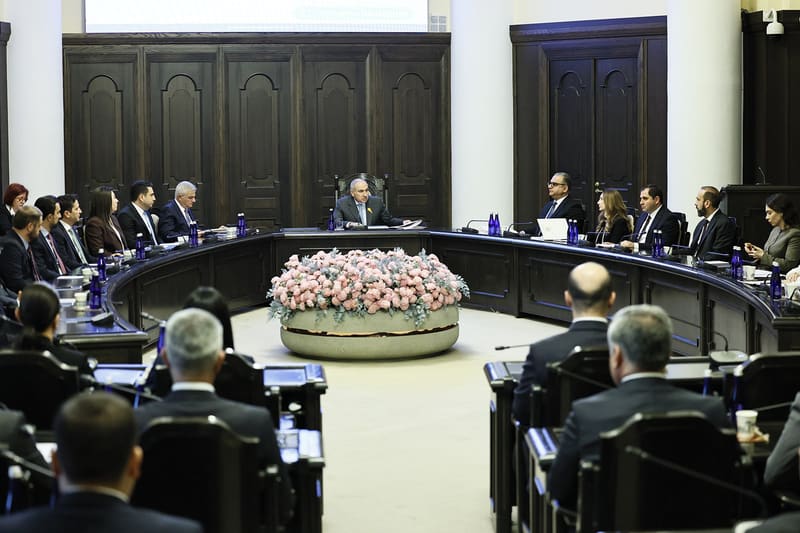
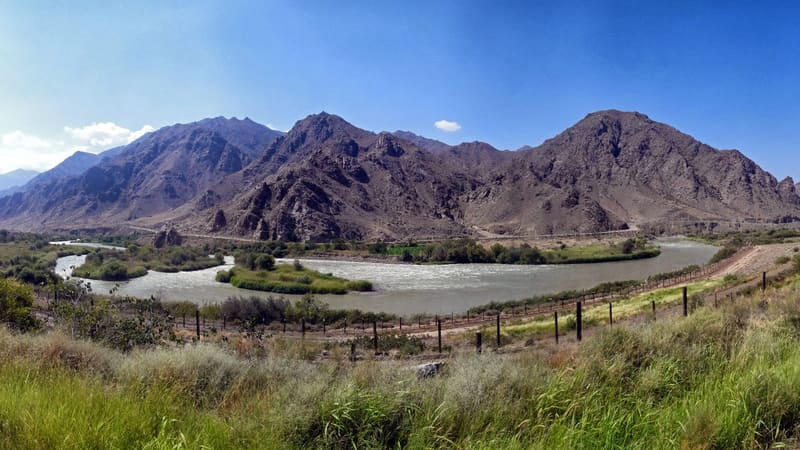
Armenia’s National Assembly on 28 October ratified, by 63 votes to 32 with no abstentions, the Armenian-American framework agreement on the “Trump Route for International Peace and Prosperity” (TRIPP). The text provides for a transport link across Syunik province, connecting Azerbaijan to its Nakhichevan exclave, as well as railway, road, energy and communications infrastructure. A joint development company would be 74% owned by the United States and 26% by Armenia for an initial 49-year period; a 50-year extension would raise Armenia’s stake to 49%. Foreign Minister Ararat Mirzoyan says the infrastructure will remain under Armenian sovereignty and jurisdiction, including customs and border security.
Analysis
On 30 October, Iran’s ambassador in Yerevan, Khalil Shirgholami, voiced “serious concerns” and asked for assurances that no foreign forces will be present on the Armenian-Iranian border. On 16 October, Iranian Foreign Minister Abbas Araghchi had said Tehran “trusts” Yerevan. In the opposition, Artur Khachatryan (Armenia bloc) notes that the benefits promised to Armenia, such as its own routes across Azerbaijan, are not legally guaranteed.
Possible consequences
Ratification paves the way for setting up the joint company and negotiating the implementation mechanisms, which Tehran says it is watching closely. The government sees the deal as a pillar of its peace strategy, based on shared economic interests. The lack of detailed reciprocal commitments from Baku is likely to remain at the heart of the political debate.
What remains uncertain
Technical arrangements, notably on security, have not been settled: a private operator could have its own security service, according to Mr Mirzoyan, who rules out any US military or security presence on the border with Iran. No full economic impact assessment has been presented publicly, according to the opposition. The construction timetable is not known.