Phonethon 2026: the Armenian Fund of France opens a four-day appeal, 19–22 November
- Published
- Place
- Paris, France
- Event date
- Upcoming event —
Summary
Phonethon 2026, the annual fundraising drive of the Armenian Fund of France, opens on Thursday 19 November and runs through Sunday 22. This 27th edition, sponsored by Christian Makarian, seeks donations for displaced Artsakh families, agropastoral development in Syunik, Gegharkunik and Tavush, water, training, Armenian schools in Lebanon, and the Spandaryan canal. Donations can be made online or by phone; a “Phonethon Live” stream is announced from 10:00 on YouTube and Facebook.
On the evening of Wednesday 18 November, the Fund’s official account renewed its call for Phonethon 2026, which runs from 19 to 22 November. “Do not wait for a Phonethon volunteer to call you,” its president, Bédros Terzian, wrote in a message published the same day by Nouvelles d’Arménie: donations can be made at once at dons.fondsarmenien.org/phonethon, or via the toll-free number 0 809 54 26 26.
The Phonethon is the association’s yearly fundraising appointment. It was founded on 6 May 1993 by 45 founding members from the Paris, Lyon and Marseille regions. Recognised as a public-utility organisation since 2015, it describes itself as a humanitarian, unitary and non-partisan association, affiliated with the Hayastan All-Armenian Fund, established in Armenia in 1992.
What the 2026 edition is meant to finance
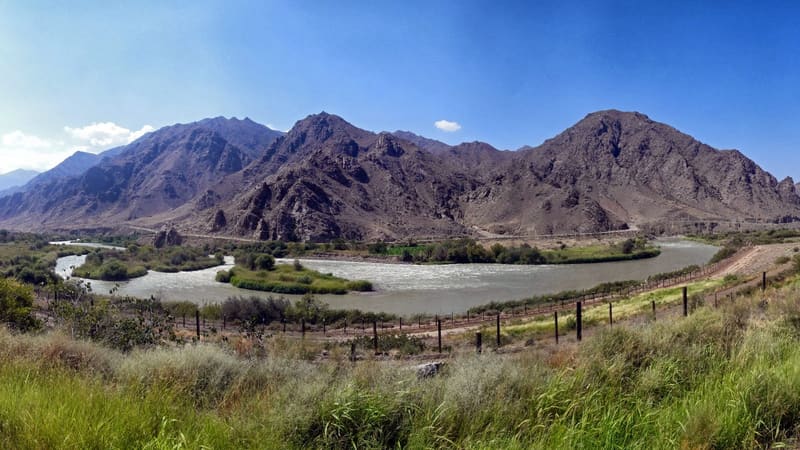
The donations page lists aid for refugees from Artsakh, agropastoral development in the border regions of Syunik, Gegharkunik and Tavush, drinking-water connections, vocational training and support for Armenian schools in Lebanon, “hard hit by the economic crisis.”
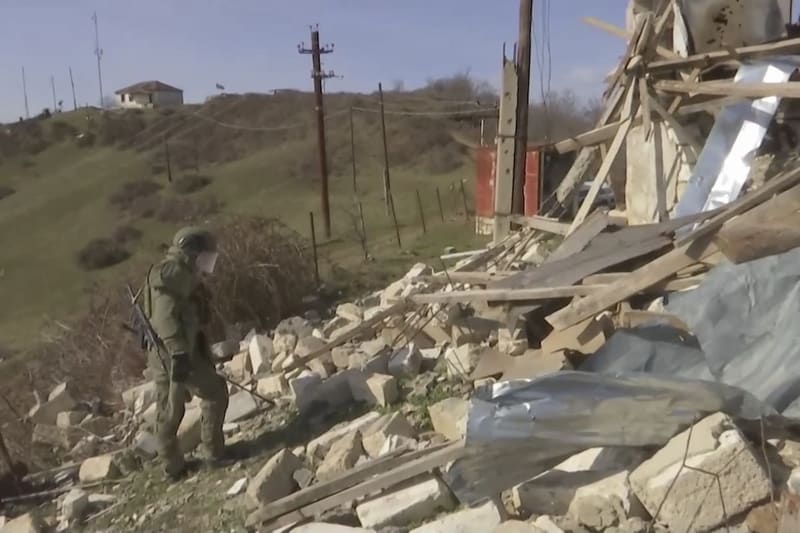
Bédros Terzian says 96 displaced Artsakh families have already “found a roof and a plot of land to cultivate.” This year alone, he writes, “several tens of thousands of beneficiaries received 103,000 tree seedlings, 3.63 million vegetable plants, and much other assistance besides.” The general meeting of 14 June still spoke of 94 renovated houses; the figure has since been updated.
The Spandaryan canal, the flagship works
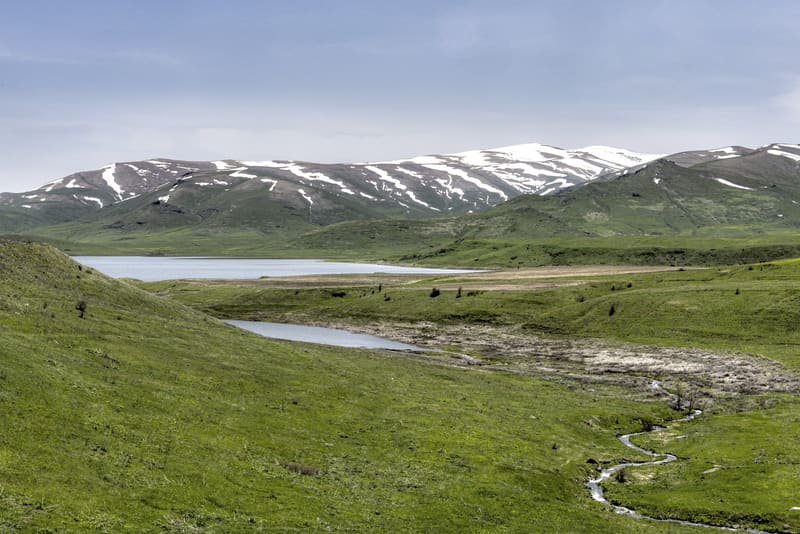
Part of the donations will go to rehabilitating the Spandaryan irrigation canal, near Sisian in Syunik. Lying more than 2,000 metres above sea level, the 1940s structure is 36.4 km long: 32 km of concrete canal now being renovated, and 4.4 km of metal siphons that the Fund considers to be in good condition. Work began in September 2025 with the Hayastan Fund and the World Food Programme, backed by a grant from the French foreign ministry; the then French ambassador, Olivier Decottignies, attended the launch.
A donation of 200 euros finances one linear metre, according to the project sheet. Phases 1 and 2 are due to be completed before the winter of 2026–2027, so that water can flow again in spring 2027 over nearly 1,900 hectares, out of 2,800 hectares planned at completion, for some 4,350 people. Phase 1 is “fully” funded; “25% of phase 2 and the whole of phase 3, or nearly 5 million euros,” remain to be financed. On 18 November, Mr Terzian said the 2,800 hectares could “be irrigated again” “in two years.”
A drive that depends on volunteers
Recent editions closed on 2.3 million euros in donations and pledges in 2023, 1.7 million in 2024 and 1.5 million euros in pledges in 2025, then sponsored by the concert performers Astrig and Chouchane Siranossian. These figures, recorded on the closing Sunday, do not necessarily equal the amount finally received.
The 2026 patron, journalist Christian Makarian, sums up his commitment on the Fund’s website: “To build, we need stones, and each person can bring their own.” From Thursday at 10:00, the Fund invites the public to follow “Phonethon Live” on YouTube and Facebook; no general-interest television channel has been announced. Donations remain possible after Sunday, on the same website. The association says a private individual may deduct 66% of the gift from income tax.
Analysis
By reopening a major infrastructure project after years of emergency work linked to the arrival of displaced people from Artsakh, the Fund makes the appeal easy to grasp: 200 euros equal one metre of canal. The closing totals of the past three Phonethons, which are not strictly comparable — pledges only in 2025, donations and pledges in 2023 and 2024 — still point to a decline. The four days will show whether that argument and the live stream reverse the trend, without pushing rehousing, border villages and schools in Lebanon into the background.
Possible consequences
The outcome will weigh most on the still-open financing of phases 2 and 3 of the canal, and on the continuation of agropastoral programmes in the border provinces.