Press freedom in Armenia: minimum defamation damages alarm the media as the EFJ condemns Pashinyan
- Published
- Place
- Yerevan, Armenia
- Event date
- Past event —
Summary
In Armenia, an insult could cost at least 1 million drams (about $2,750) and defamation at least 2 million, under a Justice Ministry draft open for consultation until 1 December. Nine journalists’ organisations want it withdrawn. They see it as a tool for putting financial pressure on newsrooms. It has been a tense week for the press. On Friday 20 November, the European Federation of Journalists (EFJ) condemned Nikol Pashinyan’s insults against journalist Hripsime Jebejyan. The same day, parliament approved in first reading a measure allowing every taxpayer to direct part of their income tax to a media outlet, an NGO or a party.
The draft amends Article 1087.1 of the Civil Code. It was published on Monday 16 November on the government’s consultation platform. Today the law sets only ceilings: 3 million drams for insult, 6 million for defamation. The draft keeps them but adds floors. A plaintiff could no longer claim less, and a judge could no longer award less.
The ministry also sets other thresholds: 1 to 4 million drams for certain violations of fundamental rights, 3 to 8 million for a violation of the right to life, and at least 4 million, with no ceiling, for torture. If adopted, the law will take effect ten days after publication. It will only apply to acts committed afterwards.
What newsrooms fear
The statement, issued on Wednesday 18 November, is signed among others by the Committee to Protect Freedom of Expression, the Yerevan Press Club, the Media Initiatives Center and the Asparez Journalists’ Club. According to their monitoring of lawsuits, courts often award 200,000 to 300,000 drams, and plaintiffs rarely appeal on that point. So why, they ask, is the state stepping in?
The signatories recall that the European Court of Human Rights and Armenia’s Constitutional Court require judges to consider a media outlet’s means, so that a ruling does not bankrupt it. They fear politicians and senior officials will treat legitimate criticism as insult. They want the draft sent to the Council of Europe for review.
The ministry replies that compensation will not be automatic. Judges must first favour a retraction, a public apology or publication of the ruling, as required by a 2011 Constitutional Court decision.
The EFJ and the earmarked tax
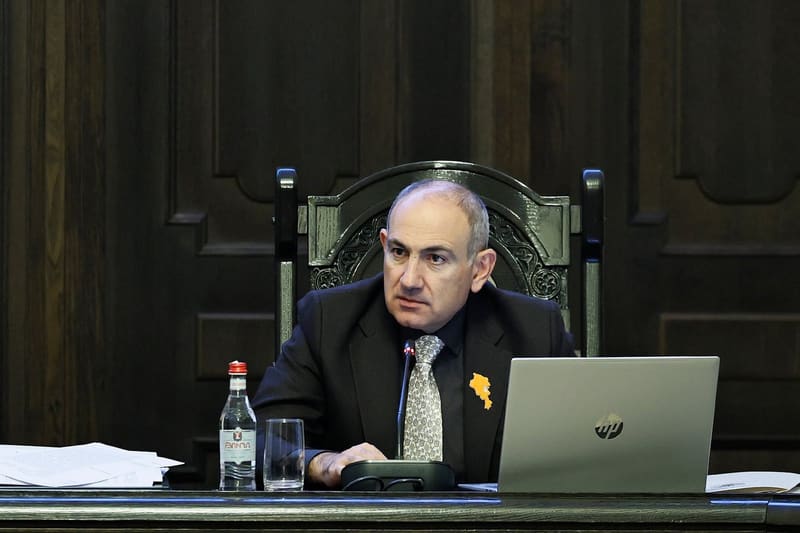
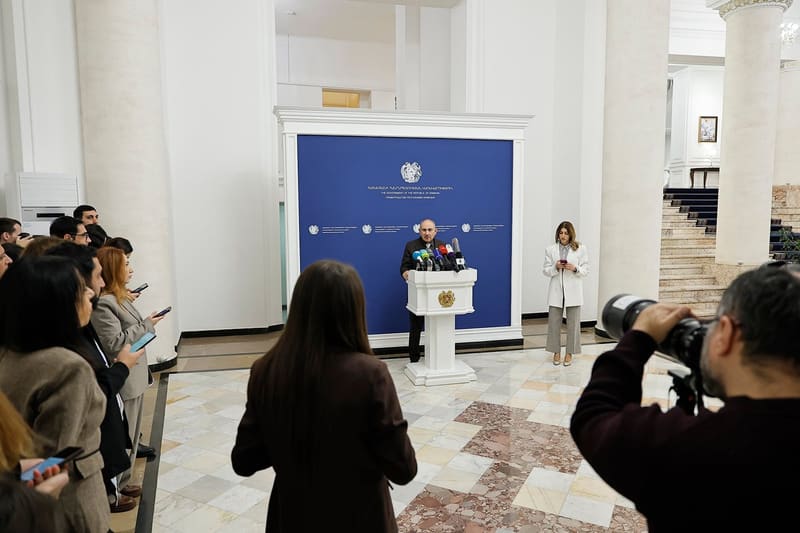
At his 19 November press briefing, Nikol Pashinyan repeatedly called Hripsime Jebejyan “despicable”. The journalist had asked him about Yerablur, Yerevan’s military pantheon. The EFJ, joining the Union of Journalists of Armenia, urges the Prime Minister to “exercise restraint” and respect journalists’ work, even when they do not share his views.
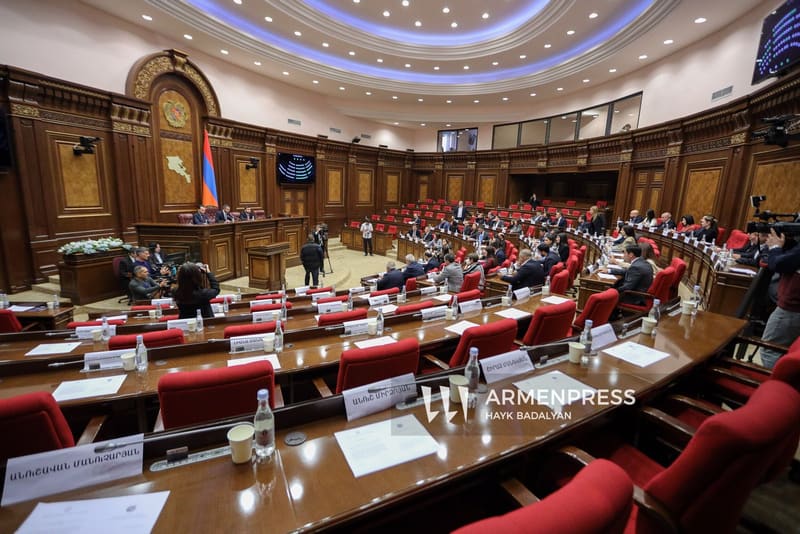
That same Friday, MPs approved in first reading, by 64 votes to 35, the Tax Code reform. When filing their income declaration, taxpayers will be able to pick a media outlet, an NGO or a party and assign it part of the tax already paid. Deputy Finance Minister Hamlet Sahakyan said the government will set the cap, the criteria and the list of beneficiaries.
Analysis
Officially, both texts pursue the same goal: a more accountable and better-funded public sphere. But they arrive together, amid sharp tension between the government and part of the press, a few months before a possible constitutional referendum. A 1 million dram floor can weigh heavily on a small news site, when awards today are often five times lower. The debate is less about the principle of redress than about the risk of political use.
Possible consequences
The public consultation ends on 1 December. The Justice Ministry will then have to say whether it keeps, changes or drops the floors. The earmarked income tax reform still needs a second reading.