Draft Constitution: Armenians abroad would lose the vote without a year of residence; stripping citizenship becomes possible
- Published
- Place
- Yerevan, Armenia
- Event date
- Past event —
Summary
Armenian citizens living abroad would no longer be able to vote in parliamentary elections or referendums unless they had lived in Armenia for at least one of the two years before the vote. That is what Article 20 of the draft new Constitution, published on Monday 23 November in Yerevan, provides. The rule has been in electoral law since July 2026; writing it into the Constitution would make it far harder to undo. The draft also breaks with a long-standing guarantee: a court could revoke citizenship for crimes against the foundations of the constitutional order or state security. The current Constitution forbids it. At the same time, a new article commits the state to stronger ties with the diaspora and sets repatriation as a goal. The text remains open to citizens’ proposals.
Today, the Constitution gives every citizen aged 18 the right to vote, with no residence requirement. The draft changes that: only those who have “permanently resided” in Armenia for at least one of the past two years would vote.
In practice, a French-Armenian dual national settled in Marseille or Lyon for years could not take part in the next parliamentary election, nor in the constitutional referendum itself. The same rule would weigh on citizens’ initiatives, which require voters’ signatures.
A July law set in stone
Parliament already adopted this restriction on 3 July 2026 by amending the Electoral Code and the law on referendums. The law requires presence in Armenia for at least 366 of the 730 days before a vote, with exceptions for official postings abroad, diplomats’ families and students. The president signed it in July.
The difference is significant. A law can be changed by parliament. Under the same draft, the Constitution could only be amended by referendum. The exceptions in the law do not appear in the summaries of Article 20 published on Monday.
There is a knock-on effect too: the validity threshold for a constitutional referendum would rise from a quarter to a third of eligible voters. Yet the residence rule shrinks that electorate itself.
Citizenship no longer untouchable
The current Constitution forbids depriving an Armenian of citizenship. The draft lets a court revoke it for crimes against the foundations of the constitutional order or against state security. The cases and procedure would be set by law.
The text also defines the people as “the collective whole of the citizens of the Republic of Armenia”, rather than the broader “Armenian people” of the current preamble.
Diaspora in the text, return as the goal
A new article commits the state to developing comprehensive ties with the diaspora and preserving Armenian identity. One of its stated aims is the return of compatriots, in other words repatriation. Nikol Pashinyan has previously called that return the “ultimate goal” of his diaspora policy.
Analysis
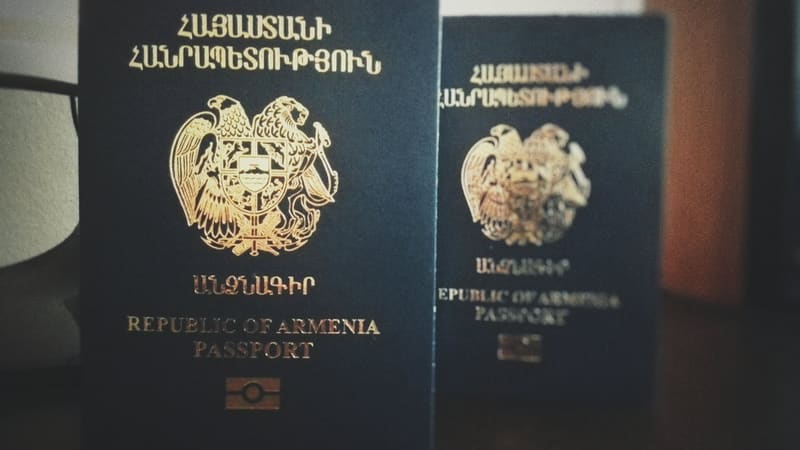
The message to the diaspora cuts both ways. The state promises to attract it and help it come home. Yet it reserves political decisions for those who live in the country. For the government, active citizenship means residence. For many Armenians in France, Russia or the United States who hold an Armenian passport, it amounts to exclusion in practice. Revoking citizenship creates a new lever, whose reach will depend entirely on the implementing law.
Possible consequences
The draft is open to public discussion: anyone, including abroad, can submit proposals on the official website. The final text must then go to a referendum.