Political prisoners: Armenia’s opposition holds hearings in parliament, ruling majority stays away
- Published
- Place
- Yerevan, Armenia
- Event date
- Past event —
Summary
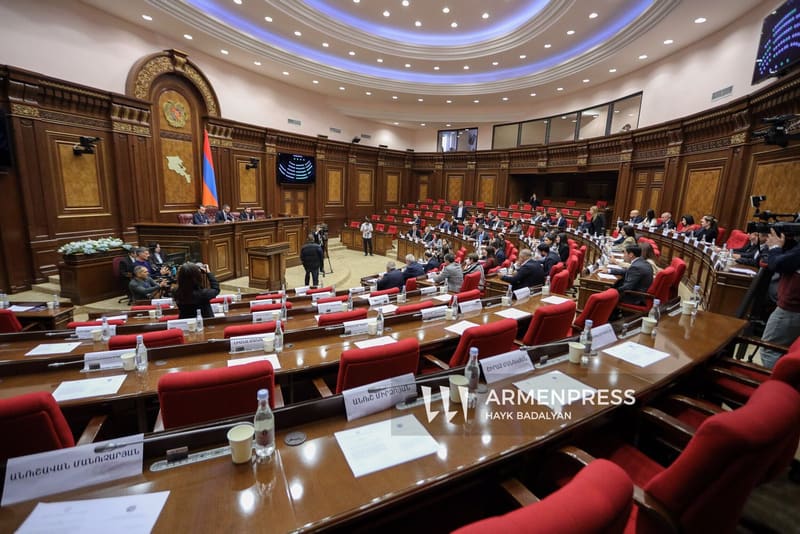
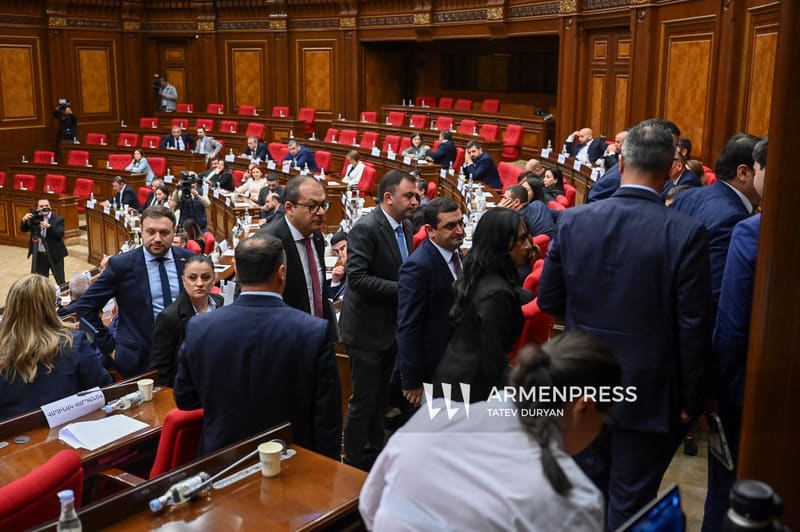
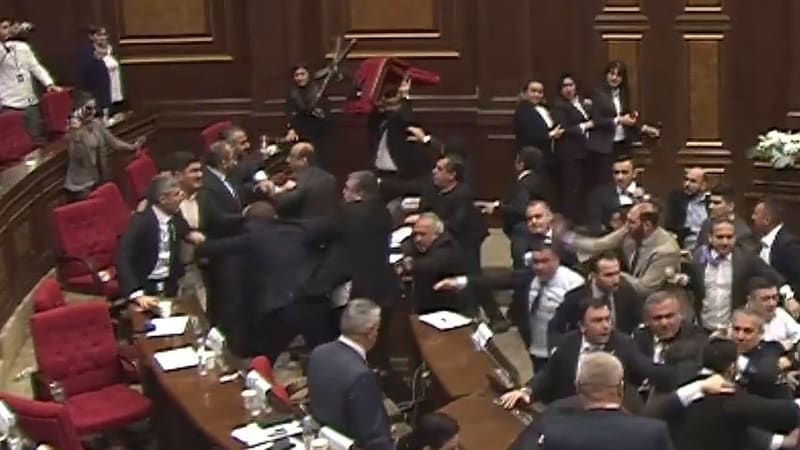
Armenia’s parliament hosted hearings on “political prisoners” on Monday, 16 November. But the ruling majority did not turn up. The hearings were convened by the opposition Hayastan (“Armenia”) faction, at the initiative of MP Lilit Galstyan, who chairs the human rights committee. Their title is long and blunt: “Retreat from democratic principles in Armenia, protection of the rights and legal guarantees of persons subjected to political persecution”. According to Azatutyun, Radio Liberty’s Armenian service, no MP from Civil Contract, Nikol Pashinyan’s party, attended. Members of the opposition party Strong Armenia did come. The government rejects the very idea of political prisoners. Four days earlier, a parliamentary committee had already voted down the opposition’s draft statement on the same subject.
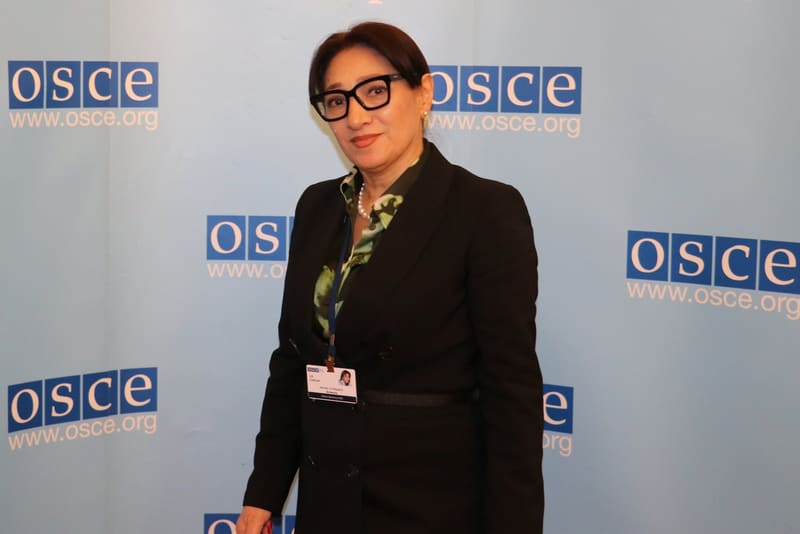
The hearings began at 11 a.m. at the National Assembly in Yerevan. Lilit Galstyan opened with a report. Her argument: the order to go after opponents came from the very top.
“The NSS basement”
According to Azatutyun, the MP said Nikol Pashinyan gave that instruction from the parliament’s own rostrum. She cited his repeated warnings: the prime minister has promised to send some opponents to the “basement” of the National Security Service (NSS).
On 12 November, announcing the hearings, she listed her grievances: judicial independence, the use of pre-trial detention, the right to a fair trial, freedom of speech and assembly. She also mentioned torture in prisons, disproportionate use of force by police and trials of journalists. These findings, she said, are shared by international bodies, including the Council of Europe’s Venice Commission.
Prisons under strain
In early November, Lilit Galstyan visited five prisons with members of her committee. According to her, 41% of people deprived of liberty are detainees without a verdict. Some have waited five or six years for trial. She called conditions at Yerevan’s Nubarashen prison “terrible”. She also noted that the last amnesty dates back to 1 November 2018.
Penitentiary Service figures, published by the investigative site Hetq, point the same way: 24 people died in custody in 2025, eight of them by suicide. That is twice as many as in 2024 (12 deaths). On 10 November, Arsen Gevorgyan, Strong Armenia’s lead candidate in Stepanavan, died in pre-trial detention at Nubarashen.
“Invented problems”, the majority replies
On 12 November, the committee on state and legal affairs rejected the Hayastan faction’s draft statement on “democratic backsliding”. Its chair, Arusyak Julhakyan of Civil Contract, said the majority was willing to discuss “real problems, not invented ones”. In her view, some of the problems raised were invented.
MP Arman Yeghoyan was blunter: the opposition’s assessments, he said, have “nothing to do with reality”. The government says it is studying international reports and working on the issues they raise.
Analysis
The hearings have no binding power. Their purpose lies elsewhere: to give an official platform to a message the opposition has been carrying on the streets for weeks. The context helps. Samvel Karapetyan, leader of Strong Armenia, is in detention. A candidate has died in prison. And a group of 107 Council of Europe parliamentarians, noting that three opposition party leaders are detained, speaks of “selective” prosecutions. By boycotting the session, the majority avoids the debate. But it also leaves the opposition alone in front of the microphones, while the government is looking for votes for its new Constitution.
Possible consequences
The hearings open no procedure. The opposition intends to use them to alert European institutions about pre-trial detention and prison conditions.