Shikahogh reserve: 60 hectares of forest cleared for Azerbaijani military positions in Armenia
- Published
- Place
- Shikahogh Reserve, Syunik, Armenia
- Event date
- Past event —
Summary
Around 60 hectares of forest have been cleared in Armenia’s Shikahogh reserve, in the south of the country, to build roads and Azerbaijani military positions. That is what satellite images analysed by forester Ayser Ghazaryan show, according to an investigation by Armenian outlet CivilNet relayed on 23 November. Between 14,000 and 17,000 cubic metres of timber are estimated to have been cut, mostly oak and hornbeam. In all, some 100 hectares have been dug up by earthworks. Azerbaijani troops entered the area in 2021 and again in 2022. They control about 21 square kilometres, nearly one-sixth of a reserve created in 1958. The Armenian government has still not assessed the damage. It says the issue will be handled through border delimitation with Azerbaijan.
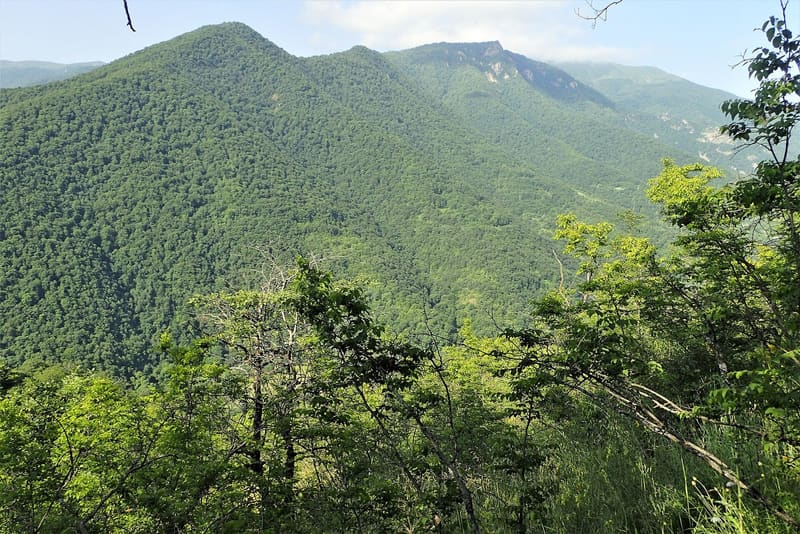
The Shikahogh State Reserve covers just over 12,000 hectares in Syunik province, between Kapan and Meghri. Almost 94% of it is forest. It is home to oak, hornbeam, beech, yew and plane trees, and some 1,100 plant species, 70 of them in Armenia’s Red Book.
It is also a refuge for the Caucasian leopard, the bezoar goat and the brown bear. Its charter bans any road building.
Roads through the forest
Azerbaijani soldiers crossed the border in 2021, towards the village of Nerkin Hand. They advanced again during the September 2022 attack. According to local officials, they hold about 2,000 hectares of the reserve and some 500 hectares of community land.
On satellite images, the changes become clear from 2023. Roads several metres wide now link the positions. Trees are felled for trenches, dugouts and firewood. According to Ayser Ghazaryan, the logging is still going on. He calls it “ecocide”.
Villages under threat
For residents of Nerkin Hand and Shikahogh, the forest and part of their fields are now off limits. Whole areas are mined. At night, explosions can be heard when wild animals step on mines.
Kapan’s deputy mayor, Marat Harutyunyan, also fears erosion. “What holds the soil? The trees,” he says, warning of landslides.
Yerevan holds back
In January, Nikol Pashinyan said he had received no information about trees being cut. Armenia would respond, he said, if there was evidence. In June, Environment Minister Hambardzum Matevosyan postponed an in-depth study of the damage until the border is delimited.
Nor was the issue raised at COP17, the UN biodiversity conference hosted in Yerevan from 19 to 30 October. The minister said raising it in that multilateral setting would have breached the principles of Armenia’s presidency.
Analysis
Shikahogh exposes a contradiction. Yerevan has made peace with Baku its top priority and, in October, chaired the world’s main biodiversity conference. Yet on its own territory, a nature reserve is losing its forests with no official assessment and no public protest. The government is betting on delimitation to settle the matter. But nothing guarantees that Azerbaijani troops will pull back. And a forest of century-old oaks does not grow back in a few years. It will take generations, foresters warn.
Possible consequences
The Armenian and Azerbaijani delimitation commissions are continuing their work. Experts are calling for a damage inventory to start now, using 1989 forest surveys and satellite images.