Armenia: two rescued bear cubs released in the Tsaghkunyats Mountains with satellite collars
- Published
- Place
- Tsaghkunyats Mountains, Armenia
- Event date
- Past event —
Summary
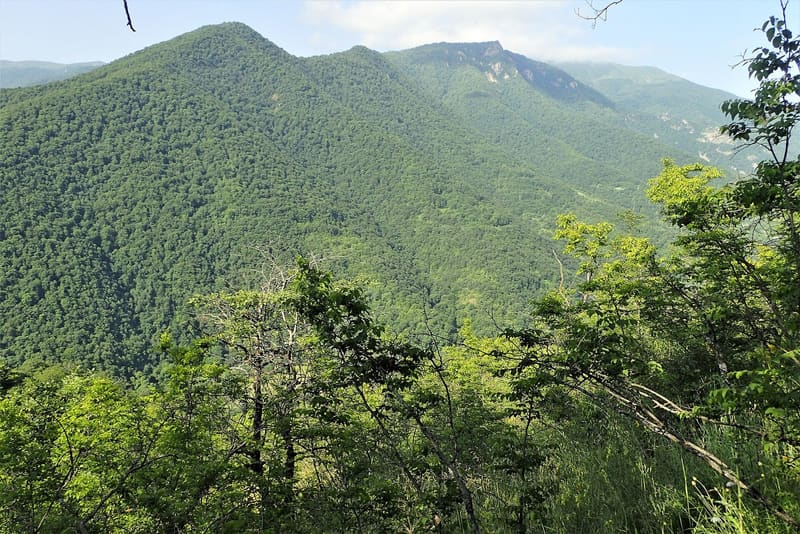
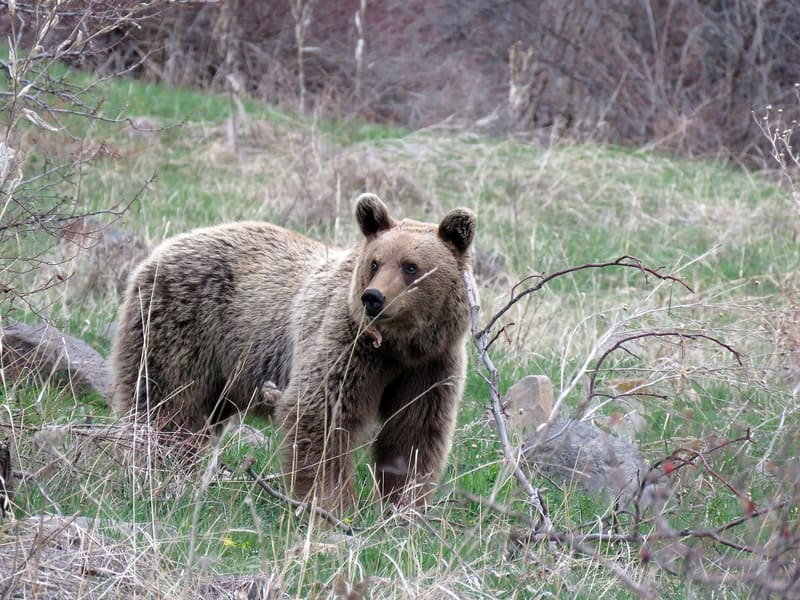
Two brown bears rescued in 2025 have returned to the wild in Armenia. They were released in the Tsaghkunyats Mountains, in the Meghradzor forestry area, the Environmental Protection and Mining Inspection Body announced on Monday 23 November. Each wears a satellite tracking collar. For about a year, specialists will monitor their movements, feeding areas and behaviour. Both animals were only cubs when they were found. The first, about eight months old, was caught in a homemade wire snare near the village of Yeghegis in Vayots Dzor. The second, seven to eight months old, was found severely weakened and in critical condition near Zangakatun in Ararat province. They were cared for at the Urtsadzor Wildlife Rescue Centre, run by the FPWC foundation. The brown bear is listed in Armenia’s Red Book.
The operation brings together the Environmental Protection and Mining Inspection Body and the Foundation for the Preservation of Wildlife and Cultural Assets (FPWC), an Armenian NGO. In 2025, the inspection body handed the two cubs over to it for first aid and veterinary treatment.
The release took place in a forest belonging to the Hrazdan branch of Hayantar, the state body that manages the country’s forests.
Growing up away from people
At the Urtsadzor centre, the cubs remained under the constant supervision of specialists. But contact with humans was kept to a strict minimum. The aim: to preserve their wild instincts, their wariness of people and their ability to find food on their own.
That is the condition for a successful return. A bear that gets too used to humans can no longer be released, the foundation’s carers point out.
A year under satellite watch
The collars are meant to ensure the animals’ safety and measure how they adapt. The data will show where they move, where they look for food and how they behave in the wild.
The method has been used before. In 2024, FPWC released two other rehabilitated cubs, also fitted with satellite collars. Specialists have been tracking their movements in the wild ever since.
Bears freed from cages
The foundation is waging another battle: getting illegally kept brown bears out of cages. With the British NGO International Animal Rescue, it has already rescued dozens of them, kept near restaurants, hotels, petrol stations or in private homes.
Many of these animals, held captive for years, will never be able to return to the wild. They live at the Urtsadzor centre, within the Caucasus Wildlife Refuge in Ararat province. Hence the value of every cub that can go back.
Analysis
Every release counts in a country where the brown bear remains a protected species listed in the Red Book. The story of these two cubs is also a reminder of the threats: a snare set by humans for one, hunger for the other. Satellite tracking provides rare data on how rehabilitated bears adapt. It will help decide on future releases. And it shows that wildlife protection does not stop at the door of the rescue centre. It also plays out in the forests, where a simple snare can kill.
Possible consequences
The two bears will be tracked for about a year. The data collected will be used to assess how they adapt to life in the wild in the Tsaghkunyats Mountains.