Apricots, cognac, spices: the UK scraps tariffs on a range of Armenian products
- Published
- Place
- London, United Kingdom
- Event date
- Past event —
Summary
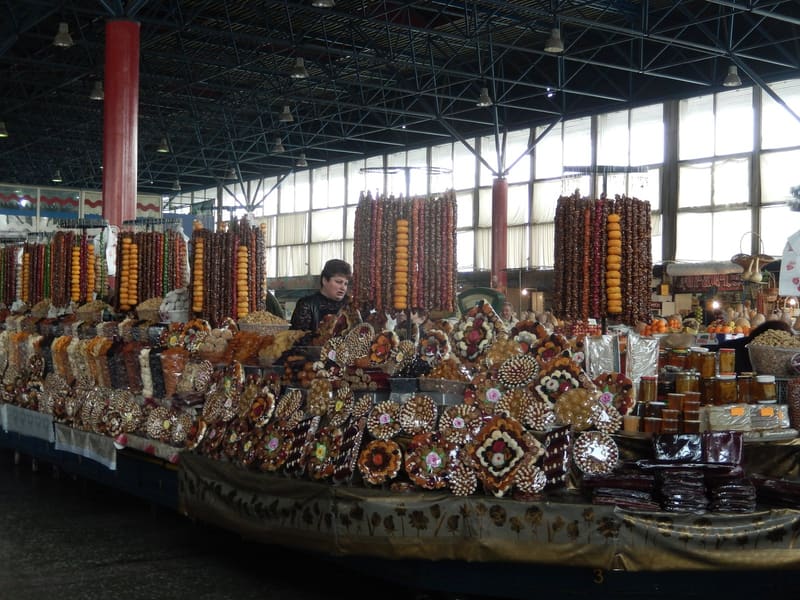
The United Kingdom has introduced autonomous trade measures for goods of Armenian origin, Foreign Ministry spokesperson Ani Badalyan announced on Wednesday 4 November. “Autonomous” means London grants them on its own, without a negotiated agreement. According to the list published by the ministry, tariffs on fresh apricots (normally 20%), peaches and nectarines (16%), table grapes (8%) and dried currants and sultanas (2%) are suspended until December 2028. Other products enter duty-free: some fresh apples and pears, herbs such as basil, mint and rosemary, spices including saffron, thyme and bay leaves, malt beer, cognac and brandy. The ministry says the decision is in line with the Armenia–UK strategic partnership and aims to expand export opportunities for Armenian products.
Analysis
The apricot, Armenia’s emblem, is normally the most heavily taxed product on the list. But access is not automatic. Most fresh fruit and herbs require a phytosanitary certificate, an official document confirming the goods are free of pests and diseases, and every shipment must go through an importer based in the UK. The ministry points exporters to the Armenian-British Business Chamber. These measures come on top of the trade preferences granted by the European Union.
Possible consequences
British Ambassador in Yerevan Alexandra Cole had announced in October that more product categories would become duty-free. Exporters must now line up certificates and UK buyers before the measures produce results.