Grapes and brandy: Armenia bought 200,000 tonnes of grapes, growers are waiting to be paid
- Published
- Place
- Vayots Dzor and Yerevan, Armenia
- Event date
- Past event —
Summary
Armenia bought about 200,000 tonnes of grapes this year. That is more than planned: the government had expected 180,000 to 185,000 tonnes. The figure was given on 12 November by Economy Minister Gevorg Papoyan at a cabinet meeting. Part of the surplus comes from export restrictions: with no outlets, table grapes also ended up at the distillery. “Neither this year, nor last year, nor in 2024 was a single kilogram of grapes left in the field,” the minister said. But it is not all rosy. Cellars are full again and this brandy will have to be sold. The government is considering encouraging ageing. It also recalls a rule: only brandy aged three years in oak barrels may be called “Armenian brandy”. And on the ground, growers say they are still waiting for their money.
According to the minister, about 15,000 tonnes bought this year were not meant for spirits. That includes about 2,500 tonnes of wine grapes and 10,000 to 13,000 tonnes of other varieties, including table grapes. The rest is exported or kept in cold storage.
Vayots Dzor’s areni turned into spirit
The most sensitive case is areni, the emblematic red grape of Vayots Dzor. The 2026 harvest is about 5,400 tonnes. Wine companies grew or bought 2,900 of them. That left 2,500 tonnes without a buyer.
The government decided on 12 November: a subsidy of 70 drams per kilogram for any company buying at least 800 tonnes of Vayots Dzor areni at a minimum of 210 drams a kilo. The Getap plant has already bought 2,478 tonnes for distillation. Cost to the state: about 173 million drams. For comparison, technical grapes sold this year for 135 to 150 drams a kilo, against 200 to 250 drams for areni. “These are temporary measures,” Gevorg Papoyan warned.
Brandy or “Armenian brandy”?
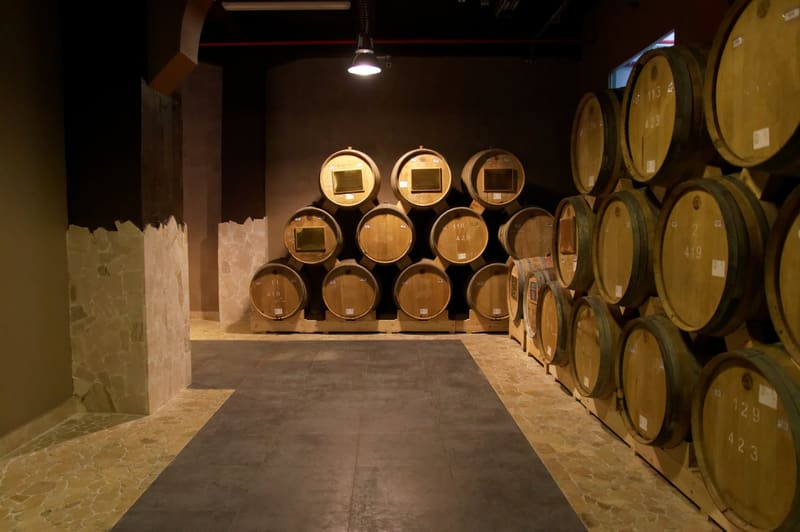
The minister also recalled the new distinction. Armenia can make two types of product: brandy and Armenian brandy. The latter must be aged for at least three years, exclusively in oak barrels. A spirit aged in other vessels with pieces of oak wood is only brandy. These rules stem from intellectual property protection and the Armenia–EU partnership agreement.
Deputy Prime Minister Mher Grigoryan wants to encourage ageing: it adds value and buys time to find new markets. He even suggested an excise that falls the older the brandy is.
Growers without money
On the ground, the picture is less reassuring. According to the daily Hraparak, growers say private companies are not paying for the grapes they bought, or are paying paltry sums. They promise 80% of the amount once they receive the state subsidy. In previous years, half was paid straight away. The ministry replies that it has no special grape programme: it supports brandy exports.
Analysis
Brandy is one of Armenia’s prides and a pillar of its exports. But the sector still depends heavily on the Eurasian market, and every export restriction is felt all the way down to the vines. The state is buying time: it subsidises, distils and fills barrels. The three-years-in-oak rule is good news for the image of “Armenian brandy” in Europe. But if growers are not paid on time, the whole chain is weakened, starting with small producers.
Possible consequences
Companies that bought Vayots Dzor areni will receive 70 drams per kilo. Growers are still waiting for part of their payment.