AI in Armenia: NVIDIA sees the country ‘on the global stage’, Nikol Pashinyan wants to transform schools first
- Published
- Place
- Yerevan, Armenia
- Event date
- Past event —
Summary
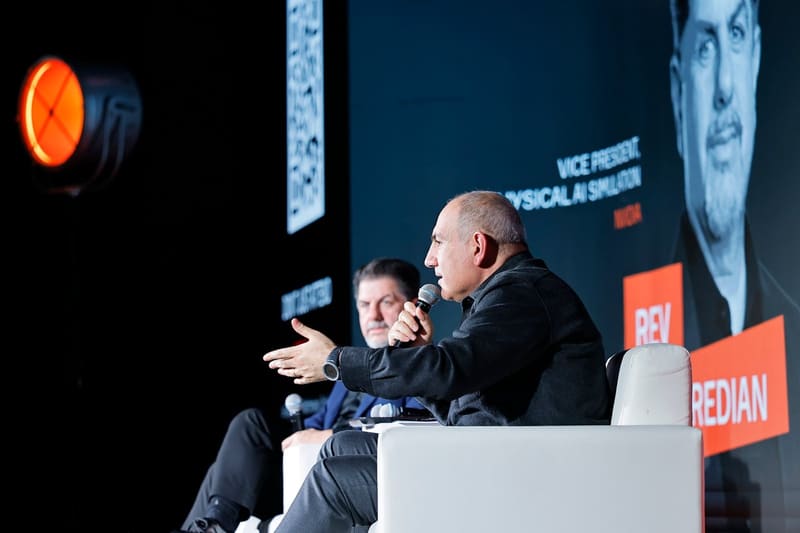
Armenia can carve out a place on the global artificial intelligence stage. That is the forecast of Rev Lebaredian, vice-president of NVIDIA and a guest of the Digitec 2026 show in Yerevan. On stage with Nikol Pashinyan, he said the country was somewhat ahead of its neighbours. Building AI infrastructure is new for everyone, he stressed, so all countries start on an equal footing. The two men talked above all about schools. With AI, every child could receive tailor-made teaching, “like a prince”, according to the American executive. The prime minister called it a “practical programme”. He also drew a line: AI must not replace people, but make their work more effective, starting with civil servants. On Sunday 22 November, he hosted tech business leaders at a working breakfast.
The discussion was titled “Armenia’s AI Opportunity: From Idea to Action”. It took place on Saturday 21 November at the Meridian Expo Center, before a packed hall. Digitec, organised by the Union of Advanced Technology Enterprises (UATE), is the region’s largest technology show. This year it is entirely devoted to AI, under the slogan “A New Global AI Hub”. More than 150 companies and 64 start-ups are exhibiting.
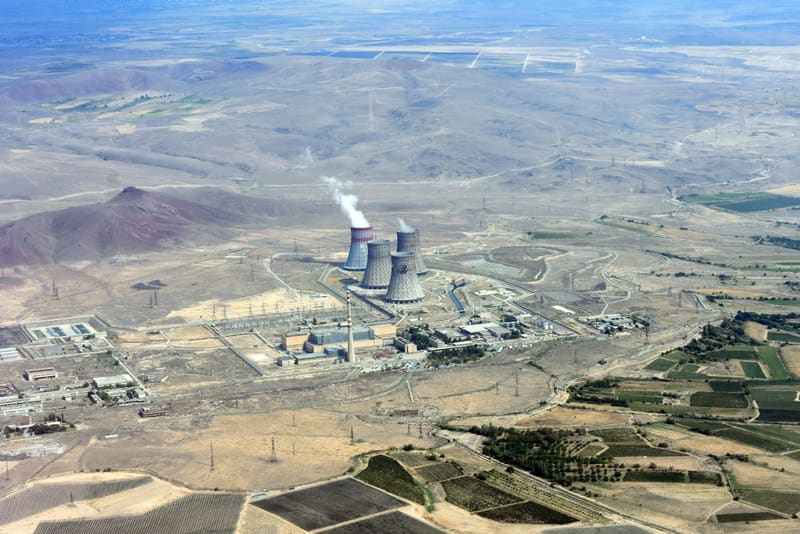
“Armenia could emerge on the global stage in artificial intelligence,” said Rev Lebaredian, who oversees simulation and physical AI at NVIDIA. The US giant’s chips already power Firebird’s AI factory in Hrazdan, whose first phase is up and running.
“Make every child a prince”
Lebaredian used a historical image. Princes once had not one teacher for a whole class, but several tutors, each an expert in a subject. “Perhaps we now have the chance to make every child a prince,” he said. AI could give every pupil experts in each discipline, adapted to their goals and needs.
Pashinyan took up the idea. A child can be brilliant at maths and struggle with languages or art, he explained. AI would make it possible to adapt the path, under the supervision of teachers, schools and the state. “We have an unprecedented opportunity to turn the idea that every child is extremely talented into not just a theory, but a practical programme.”
Taxes, independence and energy
The prime minister defended his strategy. AI factories pay taxes that will fund health insurance and infrastructure, he noted. “Our goal is not to replace people with artificial intelligence.” He also offered his definition of independence: moving from dependence on a few actors to dependence on many. Then, he argued, no one can dictate terms to you.
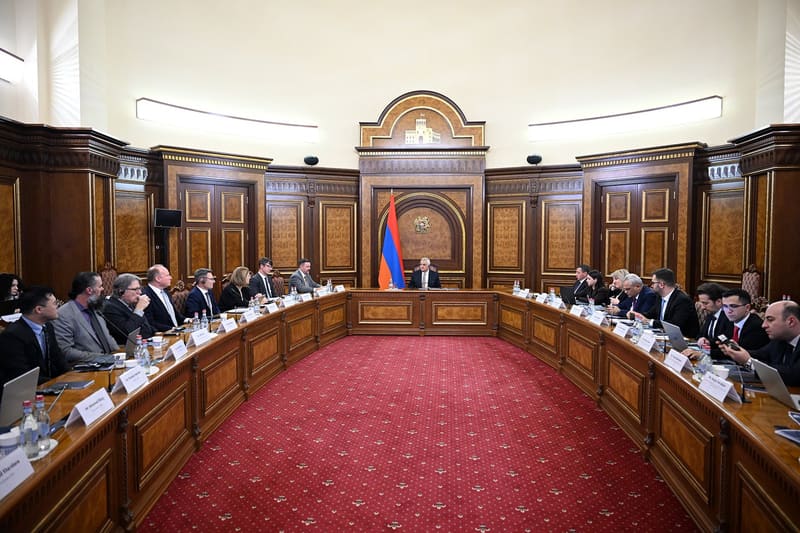
He acknowledged a weakness: solar power is growing fast, but without storage its efficiency is “effectively halved”. On Sunday, he met heads of Armenian and foreign tech companies at a breakfast organised by Enterprise Armenia and UATE. On the agenda: the future of the sector and education.
Analysis
The pitch is well rehearsed: Armenia wants to sell computing power the way others sell gas. An NVIDIA vice-president on stage lends the ambition credibility, especially after the announced expansion of the Hrazdan plant. But the most appealing idea of the debate has yet to be built. Tailor-made schooling through AI requires trained teachers, content in Armenian and a budget. The government has given neither a timetable nor a price tag. Energy storage, which Pashinyan himself mentioned, is the other condition. Without stable, cheap electricity, there is no AI hub.
Possible consequences
The official launch of the TRIPP route project, which includes a power link with Turkey and Azerbaijan, is scheduled for Monday 23 November.