Insults against two journalists in Kirants: court orders former MP Gegham Nazaryan to apologise publicly
- Published
- Place
- Yerevan, Armenia
- Event date
- Past event —
Summary
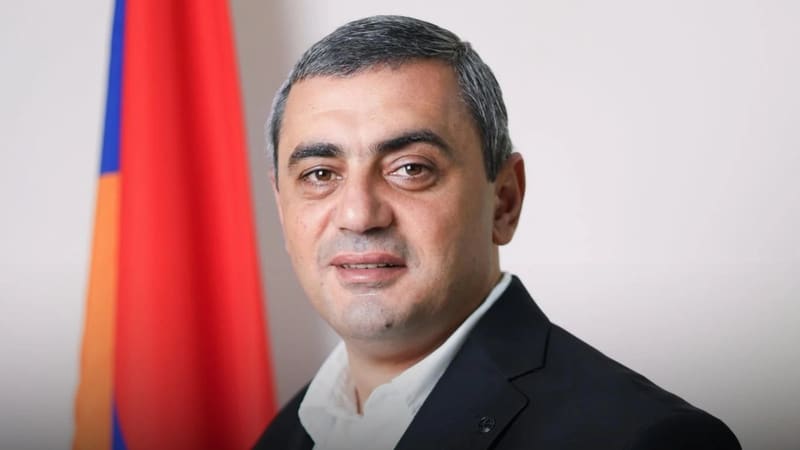
Yerevan’s civil court of first instance has ordered former MP Gegham Nazaryan to apologise publicly to journalists Ani Gevorgyan and Ani Khachatryan. In a ruling published on 20 November, Judge Tigran Grigoryan found that he insulted them and made defamatory statements about them near the Holy Trinity church in Kirants, in Tavush province. The former lawmaker must have a text set by the court published, word for word, in a media outlet with a circulation of at least 1,000. He will have five days to do so once the ruling enters into force. The events date back to 2 May 2026, at the consecration of the rebuilt church, with Nikol Pashinyan present. Ani Gevorgyan made the ruling public on Facebook.
The text imposed by the judge is short. In it, Gegham Nazaryan must state that he apologises to Ani Gevorgyan and Ani Khachatryan for the insulting remarks made against them near the Holy Trinity church in Kirants, and that he retracts the defamatory statements aimed at them.
Ani Gevorgyan, founder of the news site Newday.am, announced the ruling on her Facebook page. Armenian media reported it on Saturday 22 November. The ruling has not yet entered into force and can be appealed.
What happened on 2 May
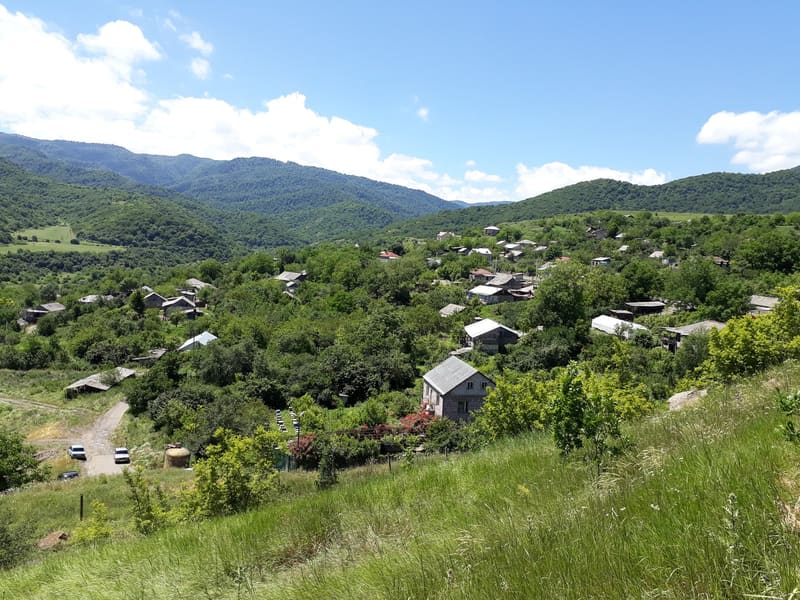
That day, the two journalists were covering the consecration of Kirants’ rebuilt church, attended by the prime minister. According to the lawsuit, as reported by Tert.am, Gegham Nazaryan turned on them in front of the cameras. He told Ani Gevorgyan: “Everyone knows you are immoral, why did you come to a holy place?” He also asked for her to be taken away, and threatened her: “After 2 August I will be a free man, you will rot in prison.”
The two journalists sued for insult and defamation. Their claim was registered on 19 May at the Yerevan civil court and assigned to Judge Tigran Grigoryan, who issued the ruling.
A former journalist turned lawmaker
Gegham Nazaryan was himself a journalist before entering parliament. Elected on the opposition list, he later switched sides and moved closer to the ruling majority.
It is not the first time he has gone after Ani Gevorgyan in Kirants. In May 2024, then an MP in the opposition “Hayastan” faction, he insulted her in the same village and demanded that she stop her live broadcast. The Union of Journalists of Armenia condemned his behaviour at the time and called for an investigation.
Part of a wider debate
The ruling comes as the Justice Ministry seeks to set minimum compensation amounts for insult and defamation: 1 million drams for insult, 2 million for defamation. The draft is open for consultation until 1 December. Nine media freedom organisations want it withdrawn, fearing it would mainly be used against journalists.
Analysis
Defamation debates in Armenia almost always focus on lawsuits brought against journalists by politicians. Here it is the reverse: two journalists win redress against a former lawmaker. The judge chose the most visible remedy, a public apology worded to the letter. The ruling is a reminder that existing law also protects reporters in the field. It also shows that redress can take the form of a public statement rather than money, and that such cases can be settled within months. It gives an argument to media organisations who see no need to toughen penalties with mandatory minimum compensation.
Possible consequences
If the ruling is not challenged, Gegham Nazaryan will have five days after it enters into force to publish his apology. An appeal remains possible.