Starting a business at 63: up to 2 million drams in aid, applications until 15 December
- Published
- Place
- Yerevan, Armenia
- Event date
- Past event —
Summary
At 63, working life is not over. That is the Armenian government’s bet. Since 9 November the Ministry of Economy has been accepting applications for its new business support programme for people aged 63 to 72. Deadline: 15 December. The idea: free training, a business plan, then state support of up to 2 million drams, about $5,500, paid through a bank. It is not a loan: there is nothing to repay if the conditions are met. Four hundred applicants will be trained. Only the best 200 will receive the certificate that unlocks funding. Residents of border, mountain and rural areas get priority. The programme is a pilot, the ministry said on Wednesday 11 November.
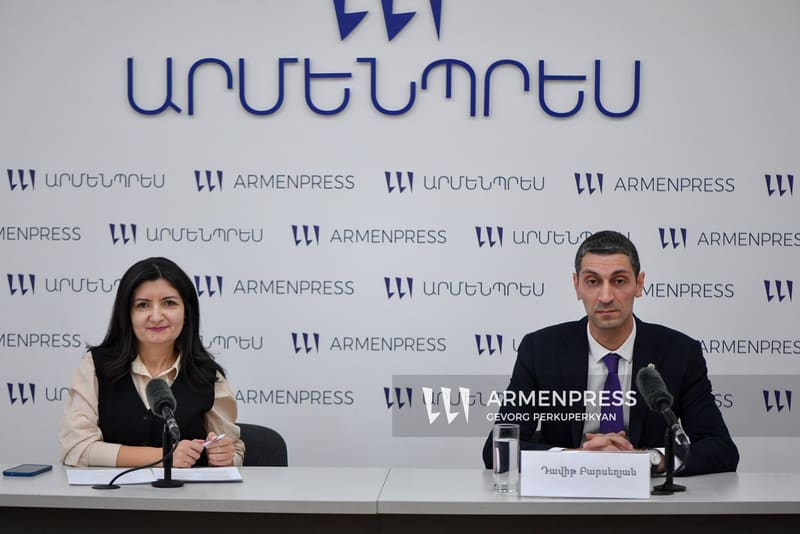
The phones are busy at the ministry. “Many people are writing letters and calling to learn about the programme’s terms and opportunities, which is encouraging,” Davit Barseghyan, head of the Entrepreneurship Department, said on Wednesday at a press conference at the Armenpress agency.
The programme targets Armenians aged 63 to 72, whether they only have an idea or already run a small business they want to expand. The examples given are concrete: dried-fruit workshops, gastro-yards, guesthouses, greenhouses, car repair shops, digital tools, leisure and sport.
Demanding training, 200 winners
After 15 December, 400 applicants will be chosen for training in law, finance and management. “It will not be easy: our international partners conducting the training will take a fairly demanding approach,” Davit Barseghyan warned.
At the end, the 200 participants with enough points will receive a certificate. With it, they can take their business plan to a partner bank. The bank assesses it and sets the amount, up to 2 million drams. Applicants must first register as individual entrepreneurs.
The money goes to the supplier, not into the pocket
Beneficiaries do not receive the money directly. If they need equipment, premises or a service, the sum is paid to the company that supplies it. They must then run their business for twelve months, under monitoring, to make sure the support is used as intended.
When the programme was adopted on 5 November, Nikol Pashinyan summed up the idea: “By labelling someone a ‘pensioner,’ we inadvertently contribute to their economic disengagement.” For those who are 63, he added, “life still lies ahead”.
Analysis
The programme arrives just as the government drops a 1,000-dram rise in the minimum pension. The two decisions are not officially linked, but they trace a line: help those who want to work rather than raise everyone’s pension. On paper the scheme is well designed: training, selection, money paid to suppliers, a year of monitoring. Its scale is modest: 200 beneficiaries at most, out of tens of thousands of people in this age group. The real test will be in border villages, where access to banks and training is hardest.
Possible consequences
Applications are open until 15 December 2026 with the Ministry of Economy. Selection of the 400 trainees will follow. The programme’s future will depend on the results of this pilot.