Armenia’s 2027 budget: aid to poor families cut by a third, employment programmes slashed by three quarters
- Published
- Place
- Yerevan, Armenia
- Event date
- Past event —
Summary
Funding for benefits paid to poor families in Armenia would fall by about a third in 2027, from some $70 million to $46 million. That is what the draft state budget provides, under debate in parliament since 17 November. Yet the social budget as a whole is growing: the Labour and Welfare Ministry would receive 1,084 billion drams, 91 billion more than in 2026. It accounts for 27% of state spending and 8% of GDP. But some programmes are being cut sharply. Employment programmes fall to about 3 billion drams, compared with nearly 11.5 billion this year, a drop of about 77%. Housing, child support and programmes for older people, by contrast, are getting more money.
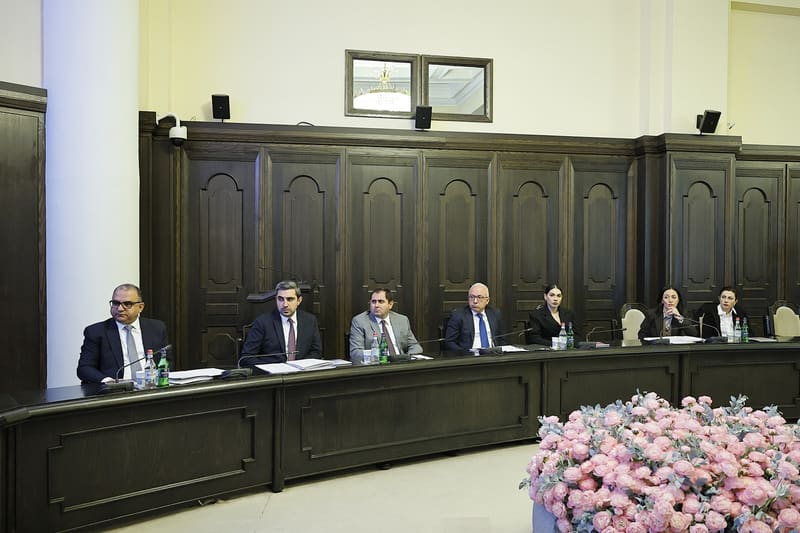
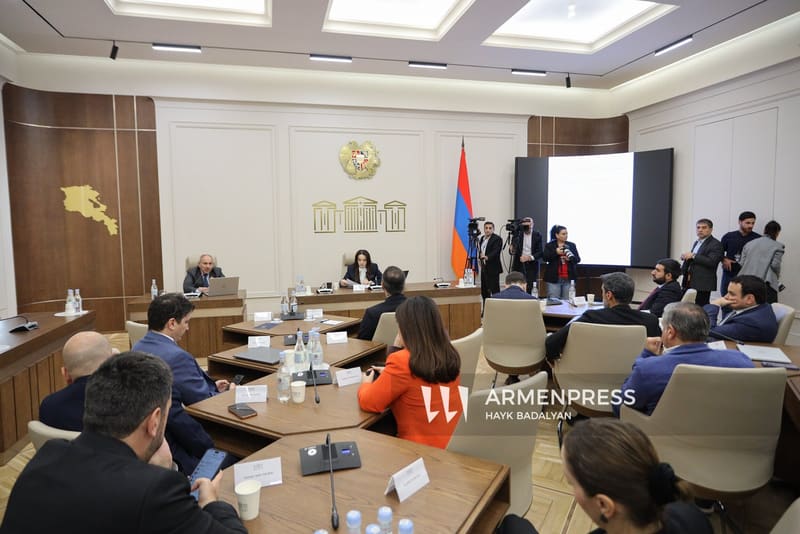
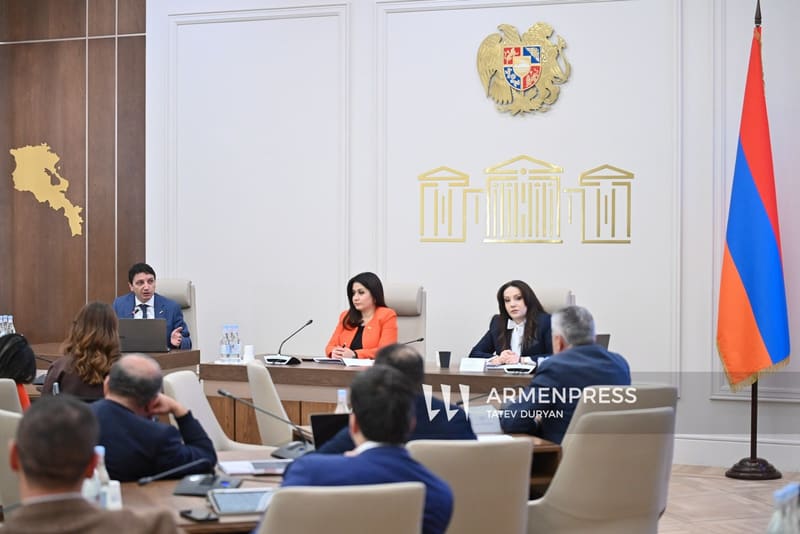
The draft was presented to parliamentary committees on 2 November by Finance Minister Vahe Hovhannisyan and Labour and Welfare Minister Arsen Torosyan. The ministry runs 18 programmes. Pensions remain the largest item, with more than $2 billion planned.
The cut in aid to poor families is not a one-off. Under the government’s medium-term plan, this line is set to lose more than another $2 million by 2029.
What goes down
Employment programmes lose 8.5 billion drams. Arsen Torosyan mainly attributes this to the end, on 31 December 2026, of the support programme for people with unpaid loans. That line drops from about $26.3 million to $4.5 million. An extension is still being discussed; if it is agreed, the budget will be amended.
Other lines are falling too. Short training courses for people displaced from Nagorno-Karabakh drop from $2.4 million to $1.7 million. Training for working-age members of poor families falls from $1.2 million to $550,000. Yet the government keeps saying that poverty is overcome through work.
What goes up
The housing programme reaches 19.8 billion drams, 4.2 billion more. Support for building homes in border villages rises from about $18 million to more than $30 million. Social support for people displaced from Karabakh, including housing, stays flat at nearly $150 million.
Child support, led by foster families and day centres, rises by 59% to 9.3 billion drams. Programmes for older people and people with disabilities receive 6 billion, with something new: placing older people with host families, on the model of foster care for children. Compensation for Soviet-era savings deposits will be extended to people born before the end of 1946, doubling recipients from 5,500 to 11,000.
The old family benefits are being replaced by a vulnerability benefit. Its amount, from 5,000 to 250,000 drams a month, depends on income, assets and household make-up.
Analysis
The government is openly shifting course: fewer direct handouts, more housing and services. On paper, the logic holds, with a better-targeted benefit and programmes seen as ineffective scrapped. But the timing raises questions. People displaced from Karabakh lose part of their support in 2027, and the end of the unpaid-loans programme will hit already fragile households. The overall rise in social spending therefore hides real losers. That is the point the opposition is likely to raise at the final vote.
Possible consequences
Parliament still has to adopt the 2027 budget in plenary session. Any extension of the unpaid-loans programme would require an amendment. Families will see the new benefit applied gradually, at each annual reassessment of their situation.