Universal health insurance in Armenia: 1.8 million insured and 164 billion drams reimbursed in nine months
- Published
- Place
- Yerevan, Armenia
- Event date
- Past event —
Summary
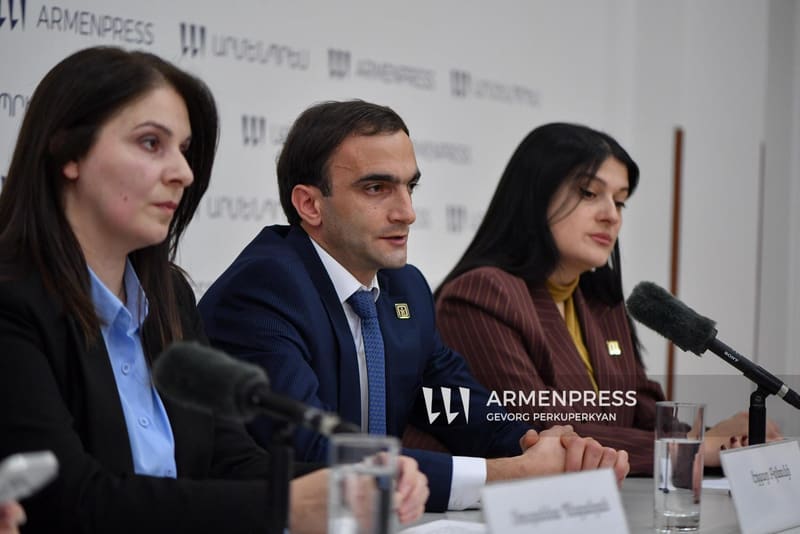
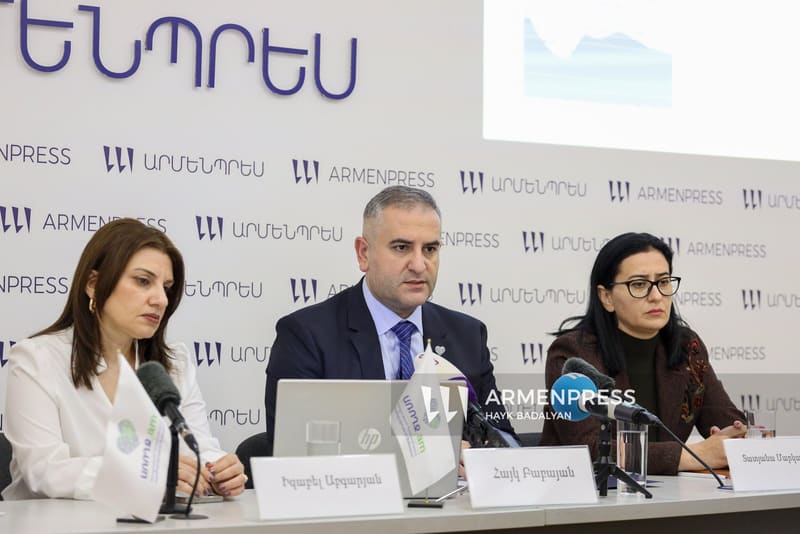
More than 1.8 million people are covered by Armenia’s universal health insurance, launched on 1 January 2026. Over a million of them have already used it. That is the nine-month review presented on Tuesday 17 November in Yerevan by Hayk Babayan, acting director general of the Universal Health Insurance Fund. The Fund has reimbursed about 164 billion drams, roughly 410 million euros. Every month, 350,000 to 370,000 people use the system. The claims ratio stands at 93%, above the 88.8% set by law. But the money is sufficient, Hayk Babayan says: the Fund has not asked for a premium increase. Medicines are the largest spending item. Yerevan accounts for more than 70% of reimbursements. In 2027, about 350,000 more people are due to join the system.
The start was slow. In January, around 115,000 people used the insurance. Patients and hospitals alike were learning the rules. Take-up rose from March. By September the monthly number of users had stabilised at around 360,000, a level maintained in October.
The number of insured people also rose. According to the Fund, it grew from 1,574,219 in January to 1,818,771 in September, an increase of 15.5%. Many beneficiaries had not seen a doctor for five to ten years.
Medicines, tests, heart surgery
Where does the money go? Medicines come first, with about 15% of spending. Next come diagnostic tests, then cardiovascular surgery, at just over 11%. The Fund recorded about 4.1 million prescription dispensings. Nearly 60% of that spending is on cardiovascular disease and 17% on diabetes.
The package includes 2,887 medical services. In nine months, 2,600 to 2,700 were used at least once. Excluding medicines, a beneficiary costs on average 50,000 to 60,000 drams. Amounts range from a few thousand drams to several million for major surgery.
The premium remains 10,800 drams per person. The 93% ratio is explained, according to Hayk Babayan, by demand built up over years, notably for cataract operations.
Men see a doctor too late
Women use the insurance more often than men. But men cost more. “They come at the last moment, when urgent surgery is needed,” Hayk Babayan explains. His advice: see a doctor at the first symptoms.
More than 70% of reimbursements concern Yerevan. People from the regions often prefer to travel to the capital, even though regional hospitals have been equipped. The Fund is considering an online queue system so patients can see how busy facilities are and choose where to go.
Then there is fraud. Checks are carried out before each reimbursement. Patients also help spot cases where a service is billed but never provided, said Tatyana Markaryan, who heads reimbursements at the Fund.
Analysis
For a first year, the financial picture holds up. The 93% ratio is high, but the Fund has not needed to ask for more money. The real test comes in January. About 350,000 newly insured people will enter the system, including employees earning up to 200,000 drams a month. Yerevan’s outpatient clinics, already busy, will feel it first. The concentration of care in the capital remains the weak point: as long as patients from the regions make the trip, queues in Yerevan will grow.
Possible consequences
From 1 January 2027, coverage extends to employees earning up to 200,000 drams, workers on civil-law contracts, some sole proprietors and taxi drivers.