Archbishop Bagrat Galstanyan’s house arrest extended by three months
- Published
- Place
- Yerevan, Armenia
- Event date
- Past event —
Summary
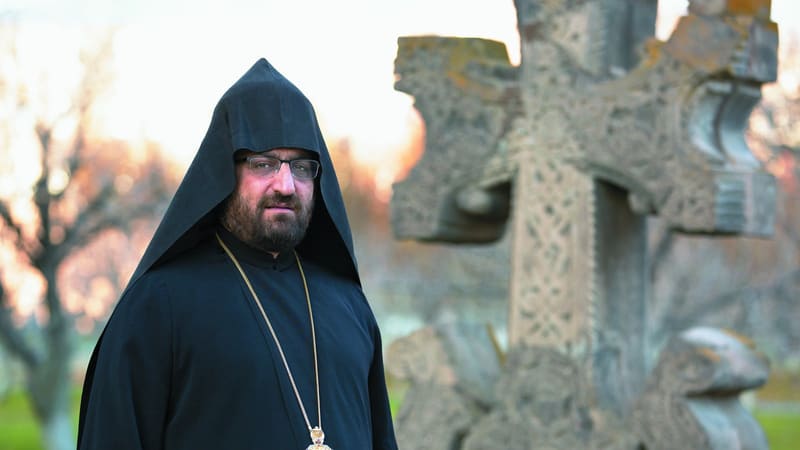
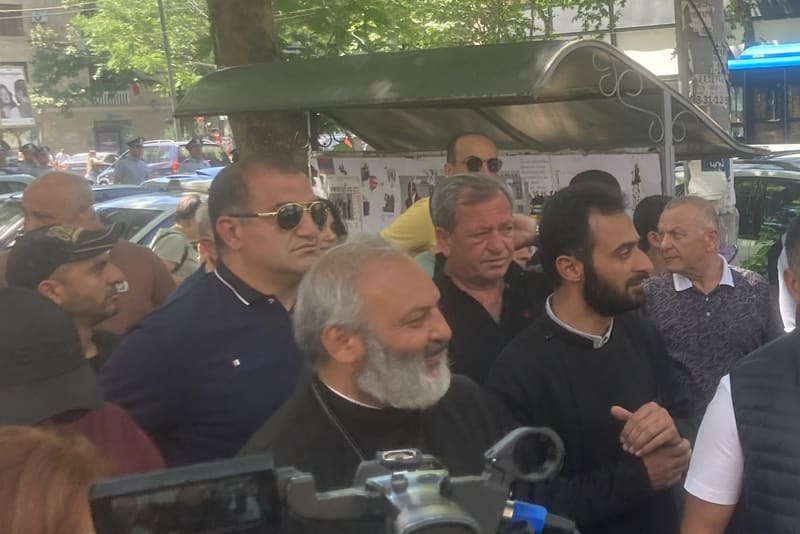
An Armenian court on Thursday, 19 November 2026, extended Archbishop Bagrat Galstanyan’s house arrest by three months. Judge Karen Farkhoyan of the Yerevan court of first instance ruled that less restrictive measures would not ensure the defendant’s proper conduct. When the decision was announced, people in the courtroom shouted “Shame!”. The judge called a recess. Leader of the “Sacred Struggle” movement, the cleric is on trial with several co-defendants. The Investigative Committee accuses them of planning terrorist acts and a seizure of power. Arrested on the night of 25-26 June 2025, he spent almost a year in custody before being moved to house arrest on 4 June 2026. Before the ruling, he said: “Let them imprison me for another thousand years if that is the price of liberating the country.”
A tense hearing
The archbishop expected nothing favourable. He said so himself during the hearing, before the judge read out his decision.
In the court’s view, a non-custodial measure would not ensure law-abiding behaviour. Shouting in the courtroom forced the judge to call a break.
The trial on the merits continues in parallel, with the other defendants in the case.
What the prosecution says
According to the Investigative Committee, leaders and members of “Sacred Struggle” planned terrorist acts and actions aimed at seizing power. Former police officers and military personnel were allegedly involved in the preparations.
Investigators have released recordings in which, they say, the archbishop gives instructions and sets out plans. The cleric and his supporters reject the charges and call the case political.
From Tavush to the streets
Bagrat Galstanyan became widely known in spring 2024. Then head of the Tavush diocese, he led protests against the delimitation of the border with Azerbaijan in that region. His marches and rallies drew thousands of people in Yerevan, with one demand: Nikol Pashinyan’s resignation.
His arrest in late June 2025 came days after that of Russian-Armenian businessman Samvel Karapetyan, who had publicly defended the Church against the prime minister. Karapetyan now leads the opposition party Strong Armenia.
His case is part of the standoff between the government and the leadership of the Armenian Apostolic Church, which also pits the prime minister against Catholicos Karekin II.
Analysis
The extension is no surprise, but it comes at a politically charged moment. On the same day, Nikol Pashinyan offered the opposition a referendum on a new constitution and promised to step down afterwards. For the authorities, the Galstanyan case is a matter of state security. For his supporters, it is a trial of opinion against a church figure. Between these two narratives, the court moves slowly. Each hearing becomes a political event, and each ruling feeds the debate on the independence of Armenia’s courts.
Possible consequences
The archbishop remains under house arrest for three more months. His trial continues before the Yerevan court.