Armenian composer Harutyun Hovhannisyan, killed defending Leningrad in 1941, is finally laid to rest
- Published
- Place
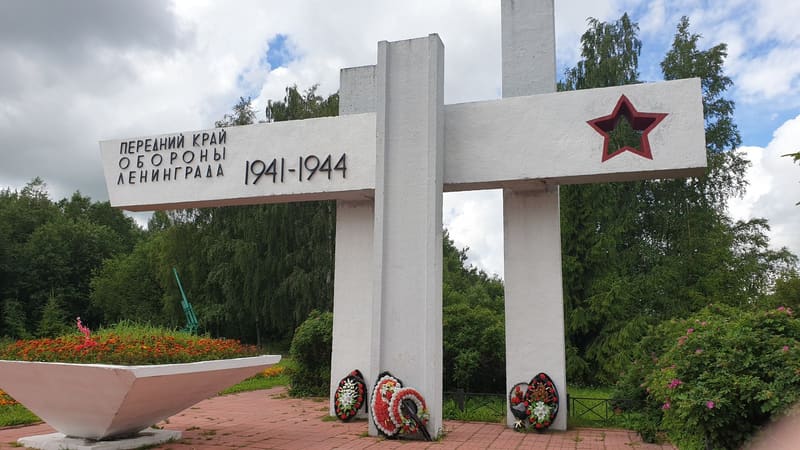
- Izhorsky Taran memorial, Leningrad region, Russia
- Event date
- Past event —
Summary
The remains of Armenian composer Harutyun Hovhannisyan, killed in December 1941 during the defence of Leningrad, were buried on 3 November at the Izhorsky Taran memorial in the Tosno district near Saint Petersburg. They had been found in 2024 by the search group “Doblest” in a front-line trench, together with those of five other Red Army soldiers. His military identity capsule made it possible to identify him. Born on 5 July 1908 and trained at the Yerevan music college, he moved to Leningrad in 1933 to study composition at the conservatory, now the Rimsky-Korsakov Conservatory. A member of the Union of Composers, he refused evacuation in 1941 and joined the people’s militia, before going to the front as an officer and platoon commander in the 708th rifle regiment. He was 33. With no descendants, the conservatory keeps his memory alive.
Analysis
Tens of thousands of Armenians died in the Second World War with no known grave, and Russian search groups still identify some every year. Harutyun Hovhannisyan’s story is also a reminder of the Armenian musicians trained in Leningrad in the 1930s. His name was already on the conservatory’s plaque honouring staff and students killed in the war; he now has a grave, close to where he fell.
Possible consequences
The form from his identity capsule has been handed to the history museum of the Saint Petersburg Conservatory, now the custodian of his musical legacy.