Biometric passports: Pashinyan hands out the first copies, including one to conductor Loris Tjeknavorian
- Published
- Place
- Yerevan, Armenia
- Event date
- Past event —
Summary
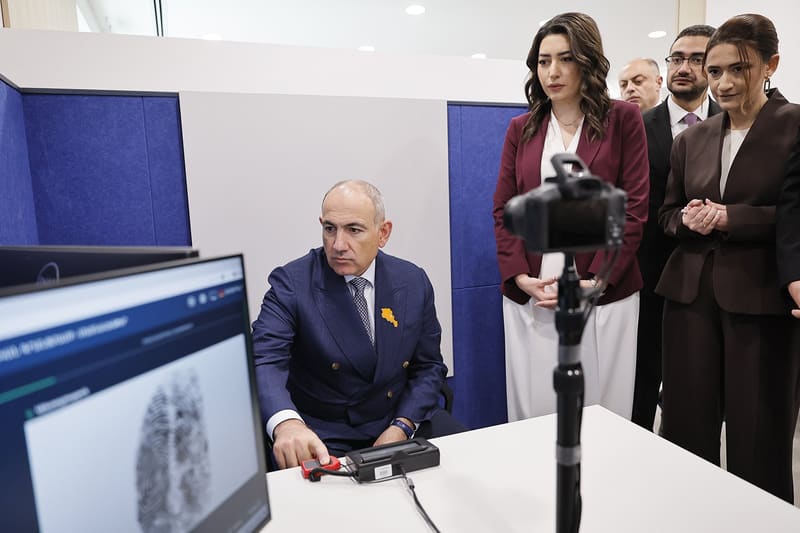
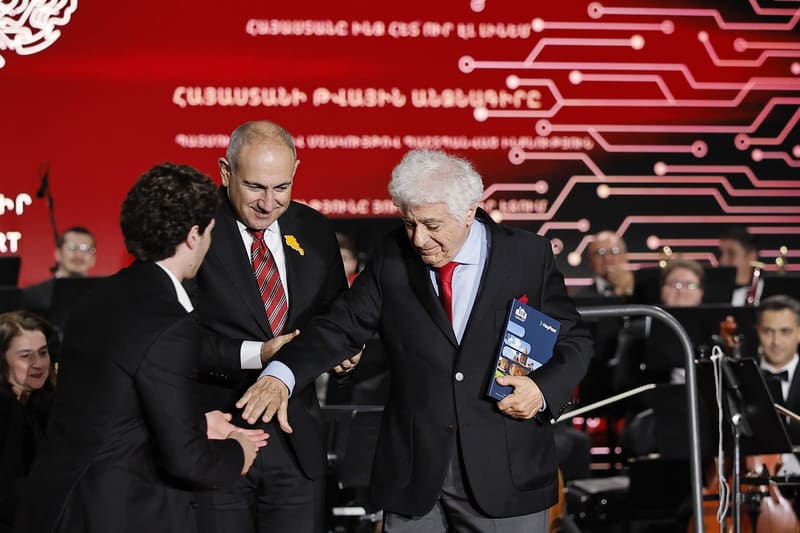
Armenia launched its new biometric identity documents system on the evening of 31 October, at an official ceremony in Yerevan accompanied by the National Philharmonic Orchestra. Interior Minister Arpine Sargsyan handed the first passports to Prime Minister Nikol Pashinyan and Parliament Speaker Ruben Rubinyan. The prime minister then handed passports to conductor and composer Loris Tjeknavorian and to young people whose birthday fell that day. Applications have been open since 1 November: the state fee is 28,650 drams for a passport and 5,950 drams for an ID card. Fourteen HayPass offices are to operate at first, and 23 by March 2027. Old documents remain valid until they expire.
Analysis
Nikol Pashinyan presented the passports as impossible to forge and as a sign of international trust in Armenian citizens. “Where there is a standard, there is a state,” he said, stressing the security of identity and of online public services. A European Commission official attended the ceremony: the documents are part of the reforms required in the visa liberalisation dialogue with the European Union.
Possible consequences
Applications start online, with the fee paid in advance, followed by an appointment at a HayPass office for fingerprints and a photo. According to the government, a HayPass data centre built to EU electronic identification rules was also opened; European experts are to assess it for two years before certification.
What remains uncertain
The government has not publicly detailed how the biometric data collected will be protected. Actual processing times and waiting lines at the offices remain to be seen in the coming weeks.